Treated as permitted, inspected work
Most jurisdictions here permit a replacement because it affects venting, pressure control and energy compliance, not just hot water.
Same-day install when stock allows · answered 24/7
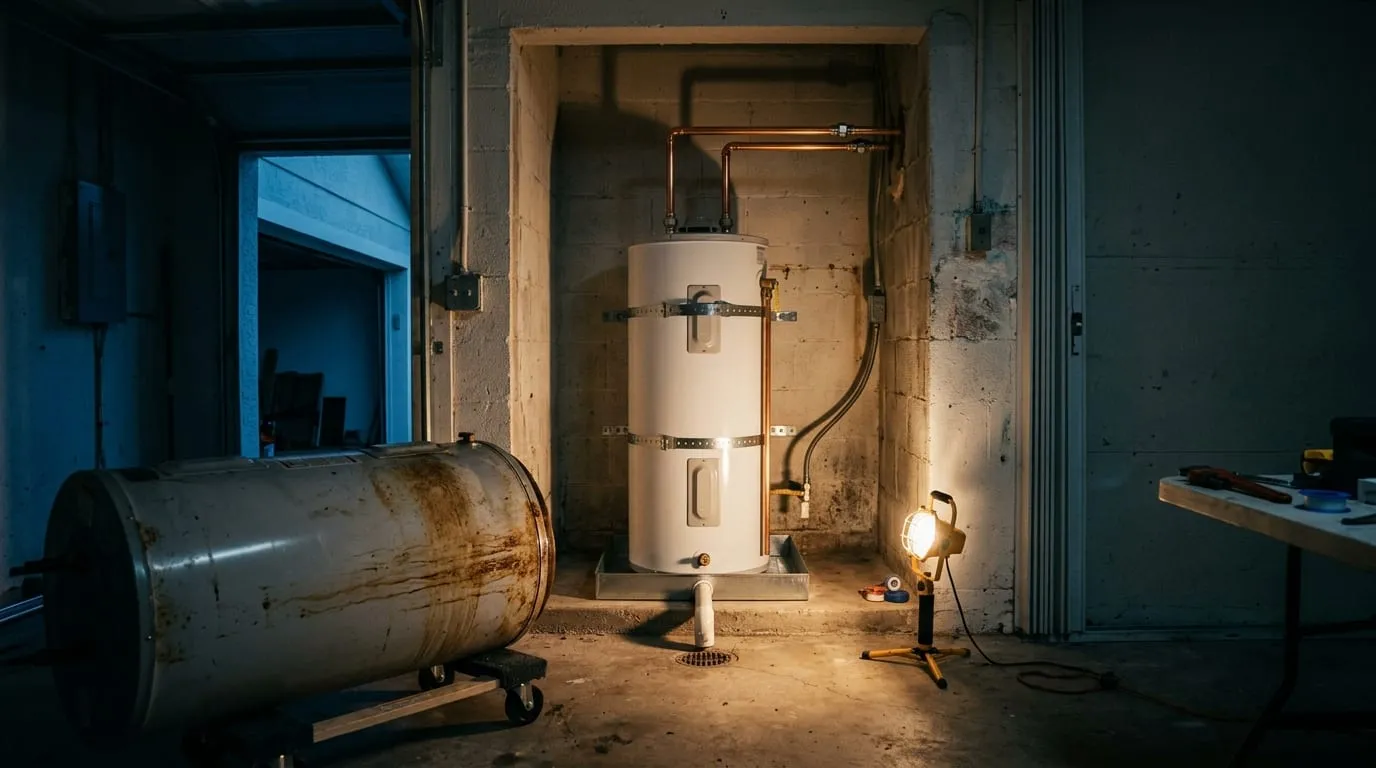
A replacement gets inspected like any other permitted job: the new unit has to satisfy current rules for T&P discharge, a pan and drain wherever one belongs, and expansion control if the system is closed.
What actually goes into a code-compliant replacement?
Swapping the tank is the easy part. What makes this a permitted job in most Florida jurisdictions is everything the swap touches at the same time: the venting above the unit, the pressure relief system, and how the whole thing scores on energy compliance. An inspector checks all of it, not just whether hot water comes out the other end.
The new unit has to satisfy current code even if the old one predates it: a correctly routed temperature-and-pressure relief discharge, and an expansion tank wherever the house already runs as a closed system. Grandfathering applies to the old tank, never to its replacement.
People misquote the pan rule more than anything else here. Where a leak would cause damage, code calls for a pan at least an inch and a half deep, draining through an indirect waste line no smaller than three-quarters of an inch, but only where a pan drain already existed. Nothing requires adding one to a location that never had it.
Repair or replace
A bad element is usually a repair. These signs mean the tank has reached the end.
A split tank empties its full contents onto the floor. If there’s water at the base, close the valve on top first.
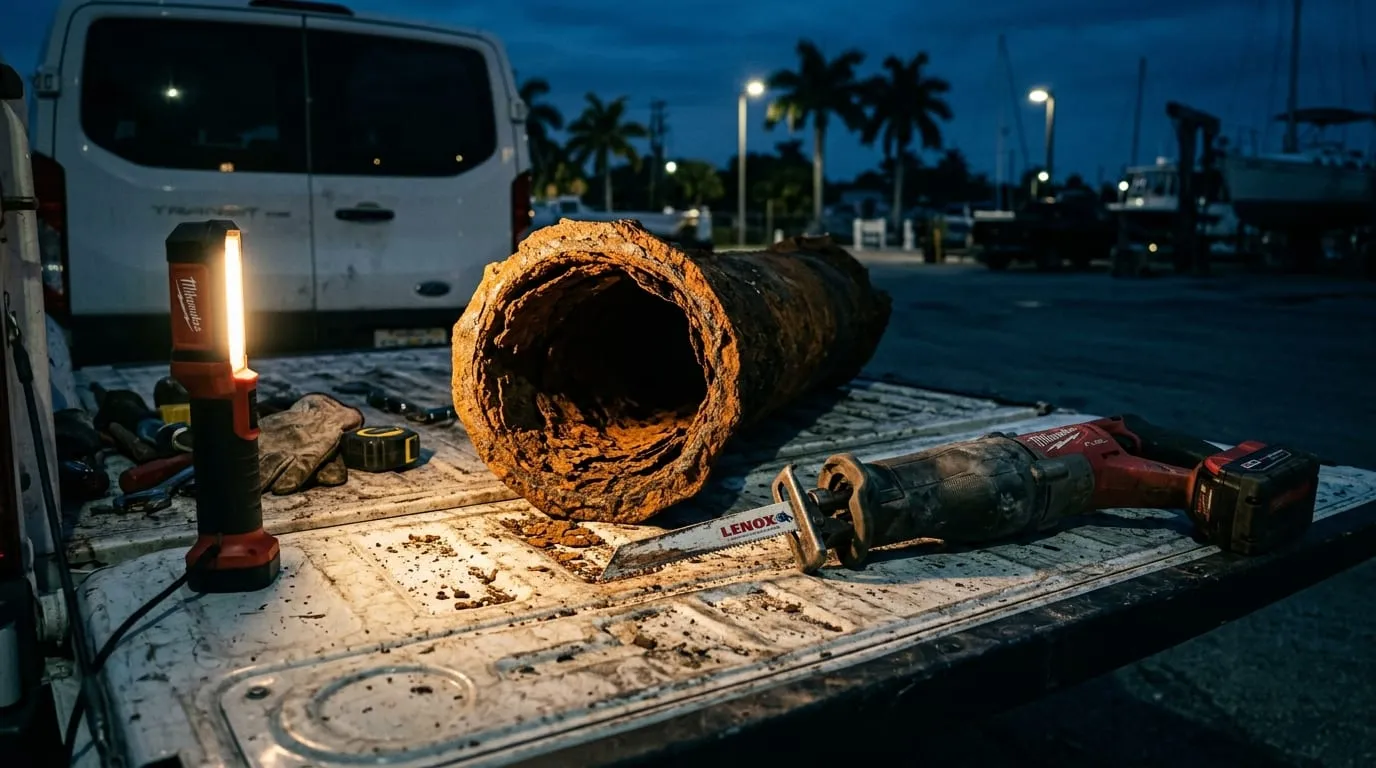
Discolored hot water alongside clear cold water points to the tank lining, not the supply lines feeding it.
Sediment displaces usable volume inside the tank. Sometimes a flush fixes it; in an older tank the lost capacity often doesn’t return.
A tank past its warranty term showing any of these signs is usually cheaper to replace than to keep patching.
Often thermal expansion inside a closed system rather than a faulty valve, a different, usually cheaper, fix.
How the install goes
Four steps, where sizing determines the unit and the permit determines the timeline.
Sizing goes by how the household uses hot water, not by the tank already there. An undersized replacement is the most common disappointment.
Confirming T&P discharge routing, whether the system needs expansion control, and if a pan and drain apply here or don’t because none was ever there.
Filed through the building department covering your city, handled as part of the job rather than left for you.
The old unit is drained and removed, the new one set, connected and tested, and left ready for the inspector.
Florida conditions, Florida rules
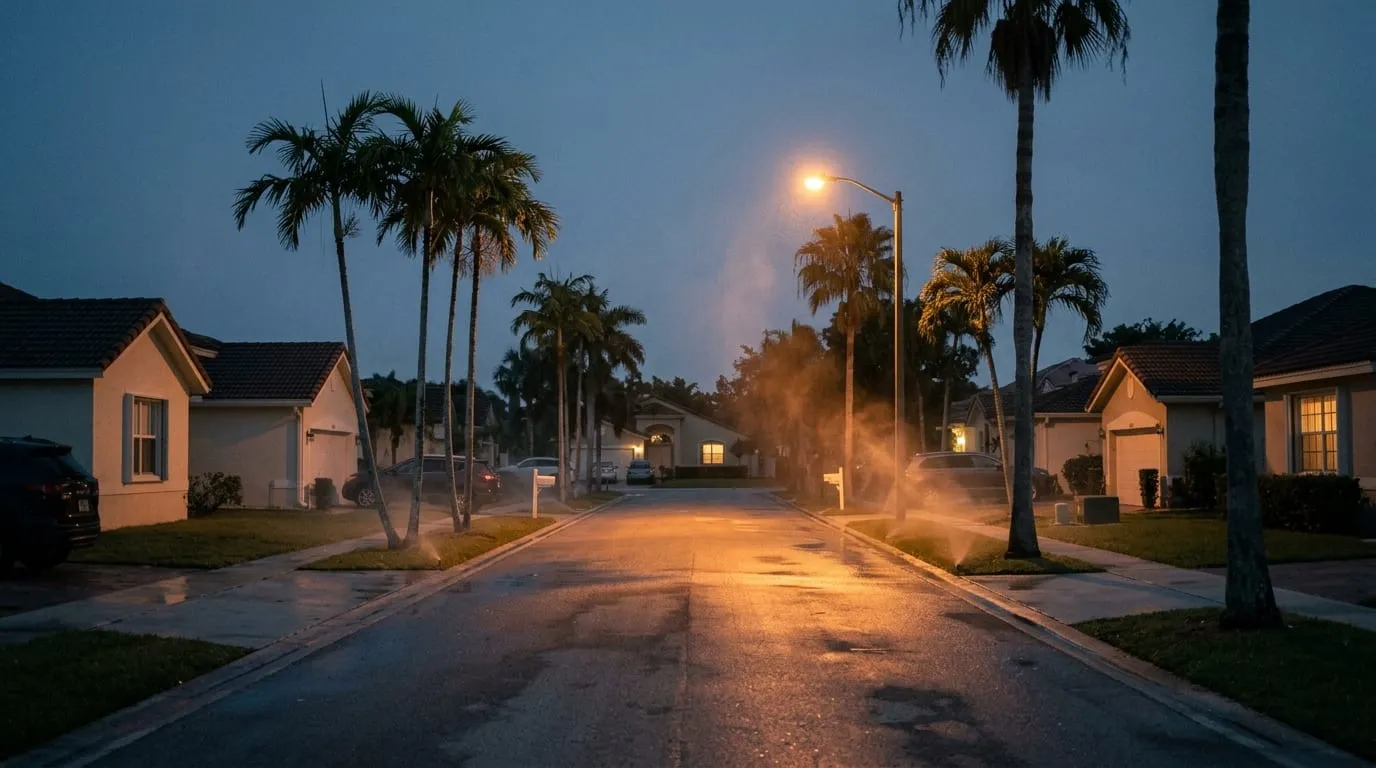
The identical replacement plays out differently here, for reasons beyond the heat.
Most jurisdictions here permit a replacement because it affects venting, pressure control and energy compliance, not just hot water.
Where no pan drain was ever installed, a replacement doesn’t require adding one, the difference between a swap and an unnecessary wall opening.
A backflow device or check valve is common enough in this state to turn a house into a closed system on its own, which is when an expansion tank joins the job.
Where a home sits changes how the pan and discharge routing get handled, so the assessment happens at the unit, not over the phone.
Local water deposits sediment inside the tank, and that buildup steals usable capacity well before it damages the tank itself, so a periodic flush sometimes restores some of what was lost.
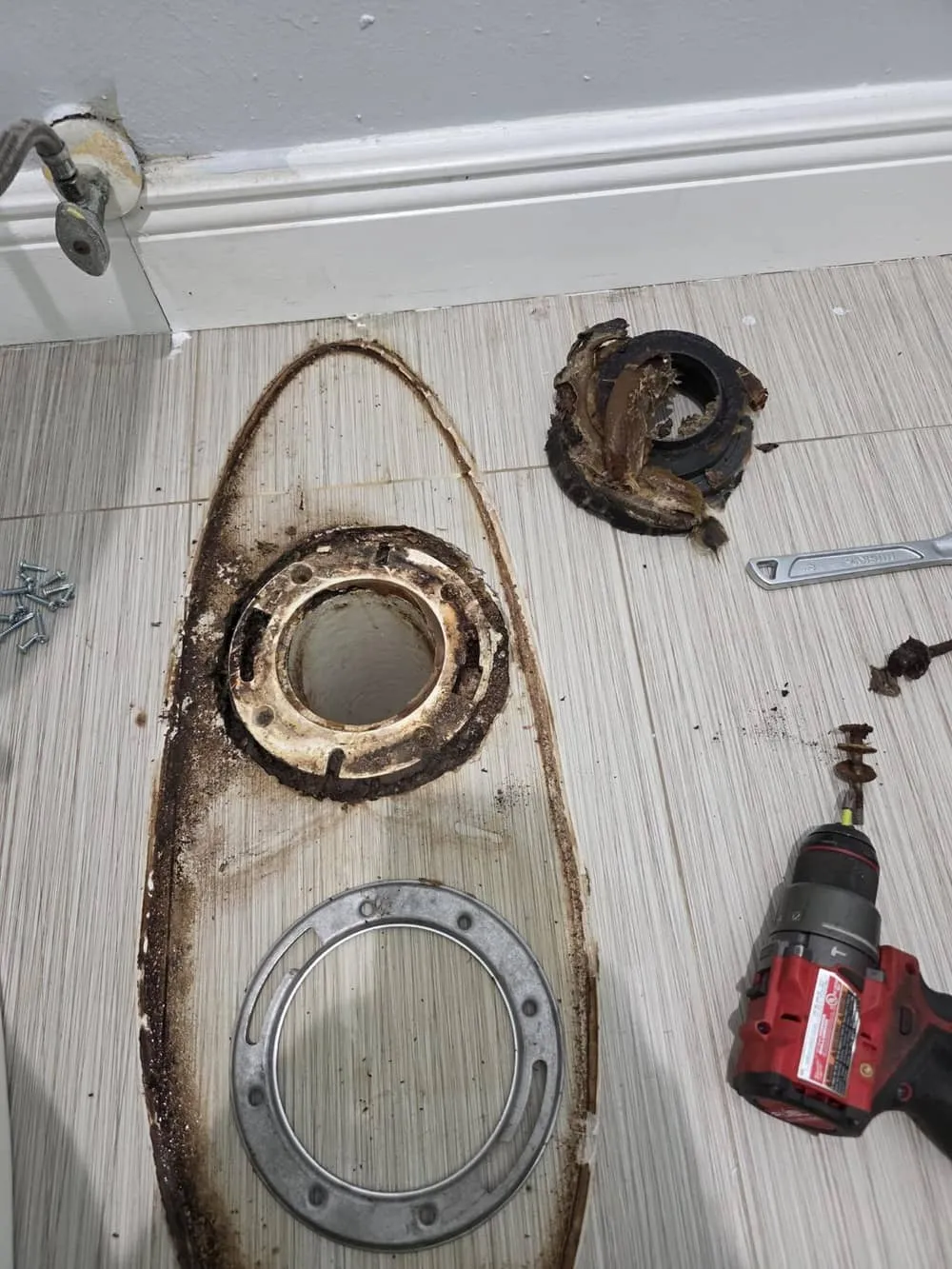
Recent jobs
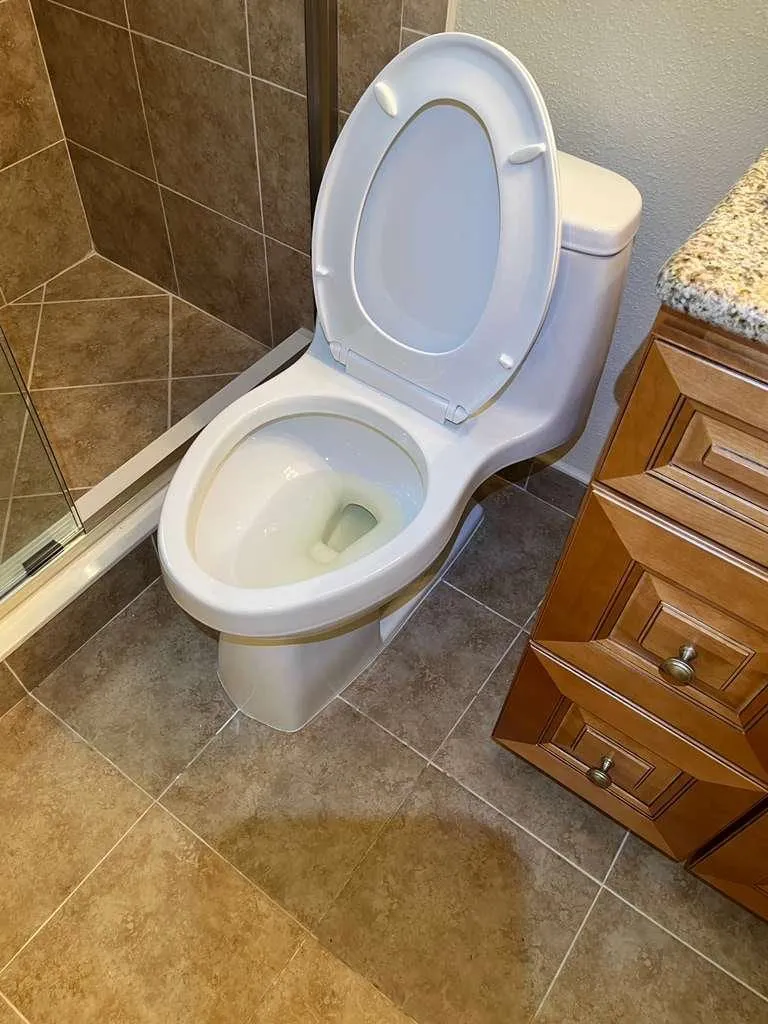
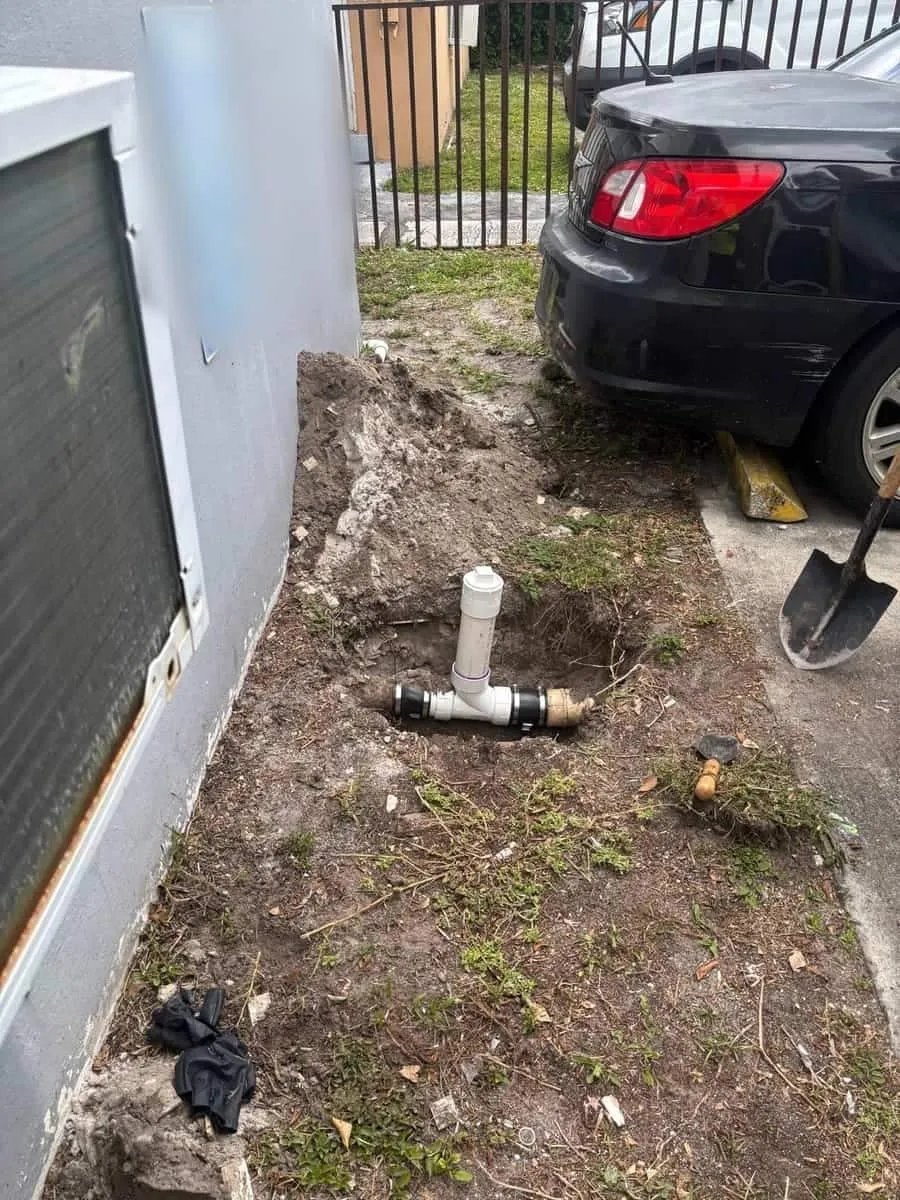
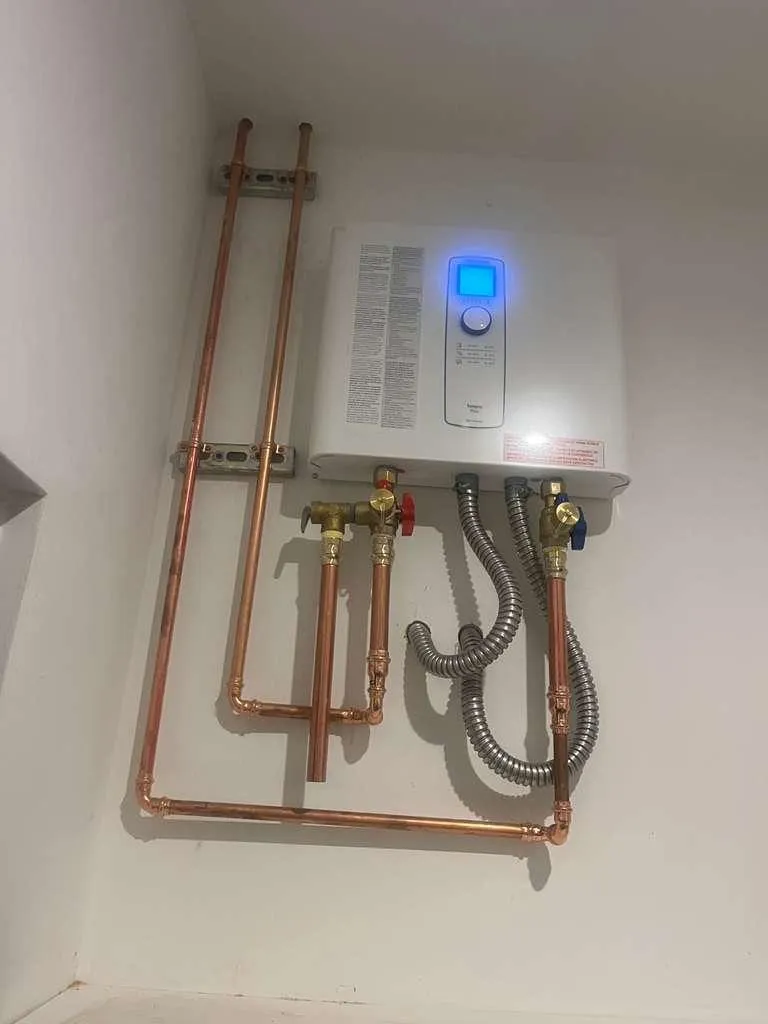
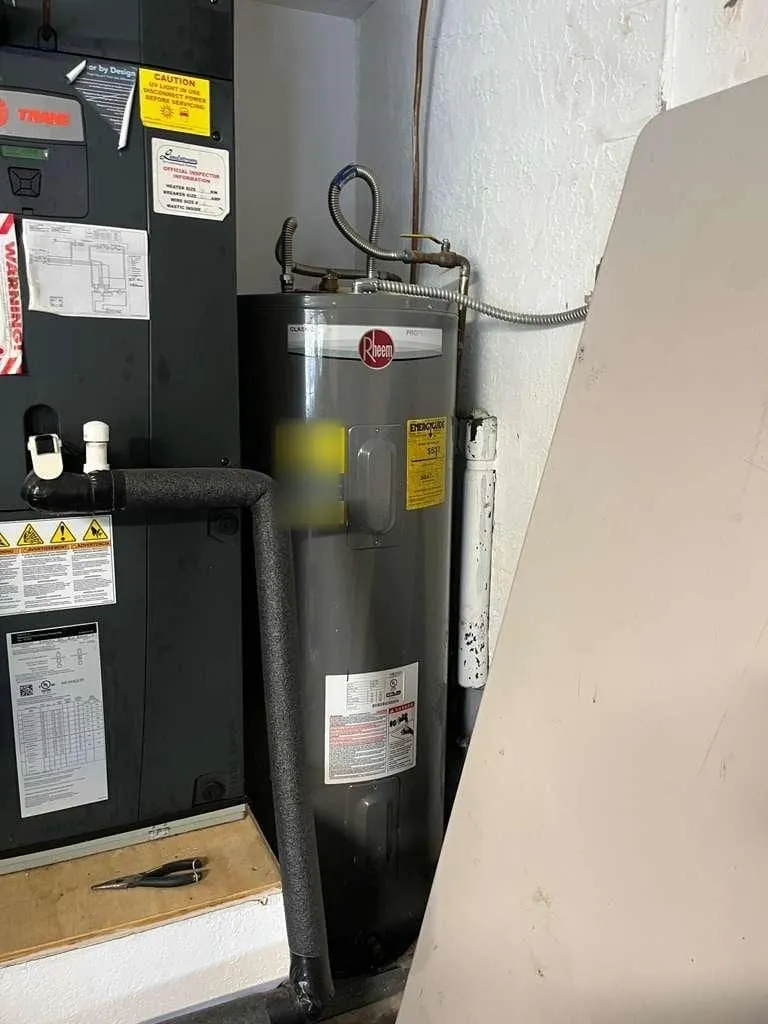
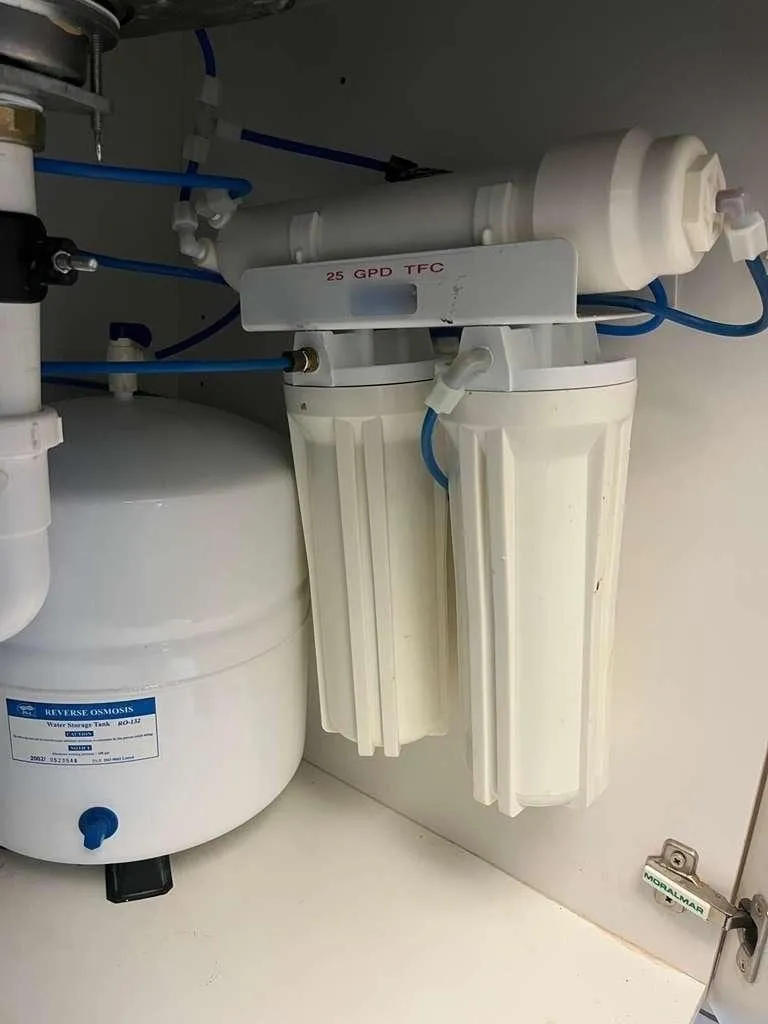
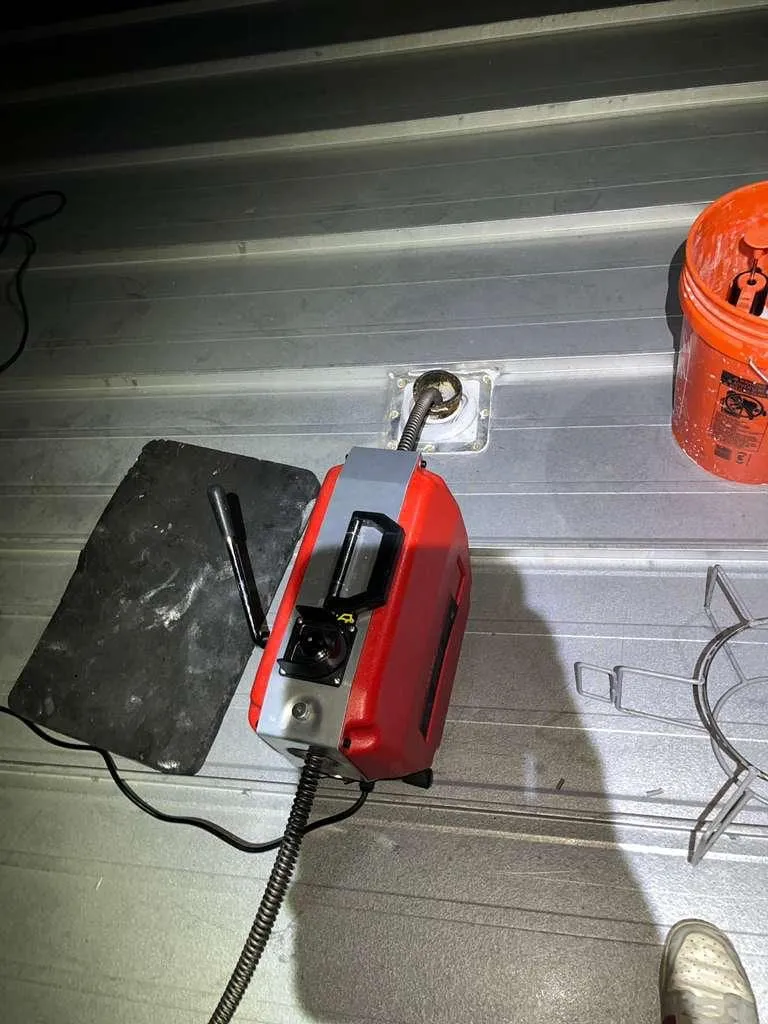
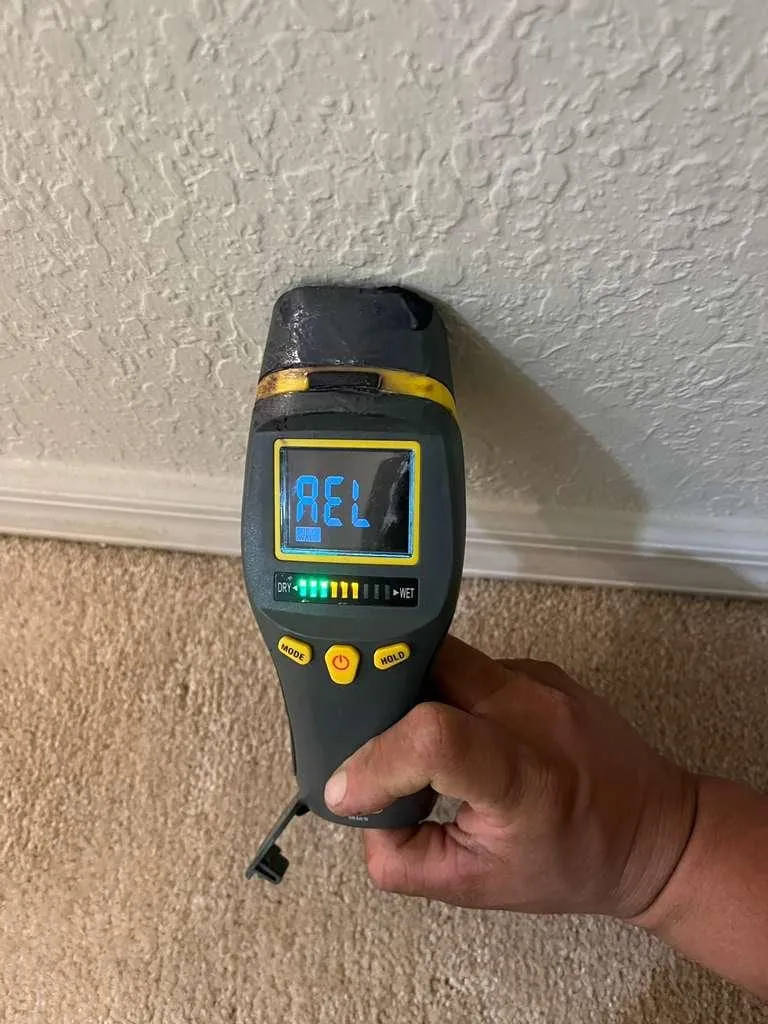
Photographed on real jobs by the crew that did them.
Reviews
Straight from the company’s Google Business Profile, each one carrying the reviewer’s own public name.
A selection of our 5-star reviews on Google.
See all reviews on GoogleId be completely comfortable having them back for future plumbing work. Everything about this visit was straightforward and well handled.
He even explained which work wasn't worth spending money on yet. That's the kind of honesty that makes me want to call someone again.
Nothing about the job looked rushed. From the repair itself to the final testing, everything was handled carefully and professionally.
Questions
In most jurisdictions here, yes. The install gets inspected precisely because it touches venting, pressure relief and energy compliance, and pulling that permit is part of the job, not something left to you.
Where a leak would cause damage, a pan is required. But where no pan drain existed before, a replacement doesn’t require adding one.
Tankless suits a household that genuinely runs out of hot water, and usually needs gas or electrical work the old unit didn’t. Sizing comes first either way.
Usually, provided the right size and type are already in stock and nothing at the location needs work first. Any code-driven change gets flagged before the new unit is ever ordered.
Close the valve on top of the tank, then call. If you can’t find it or it won’t turn, say so and dispatch will walk you to the main.
What often comes up alongside it
What tends to surface during the same appointment.
Live dispatch · 24 / 7 / 365
Someone answers any time of day, and the sizing conversation happens before a single unit gets ordered.
No obligation. Work performed under Florida plumbing contractor license CFC1433655.