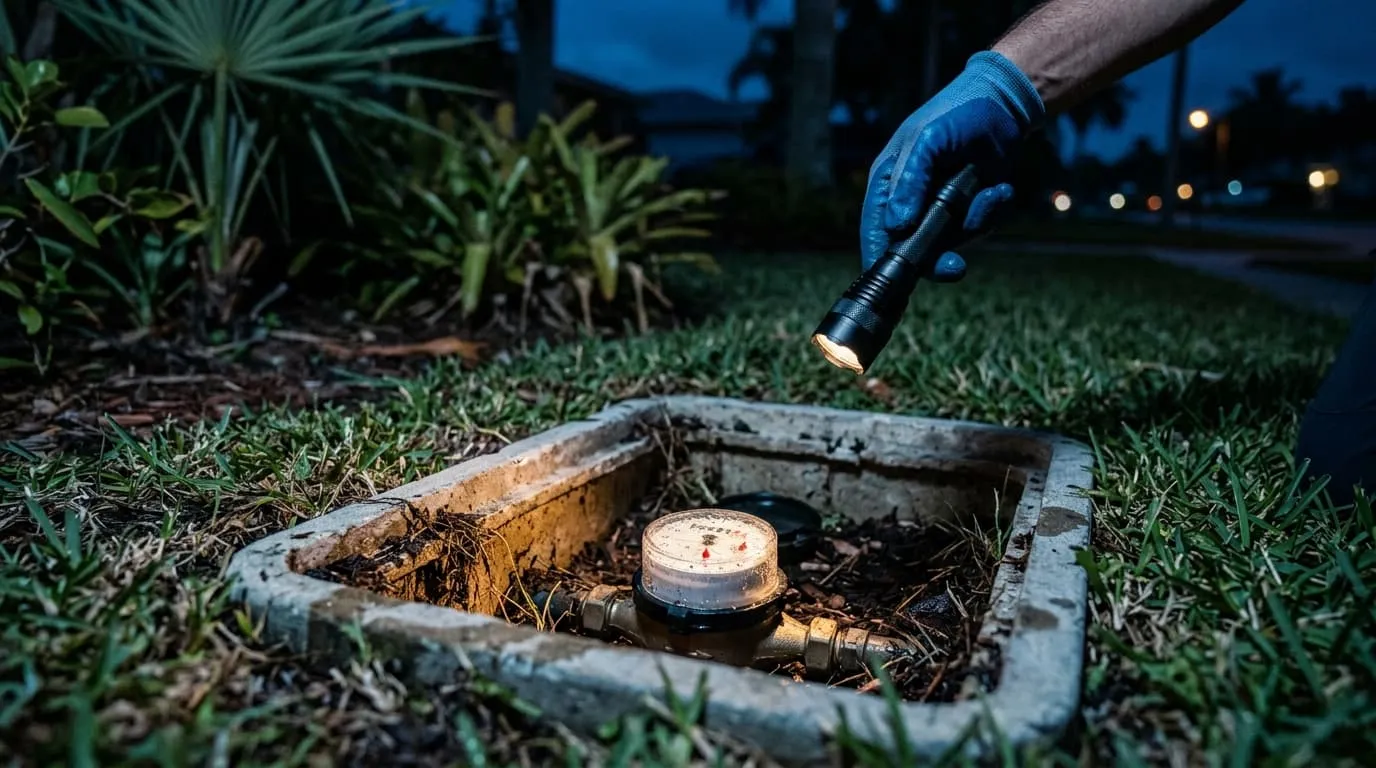
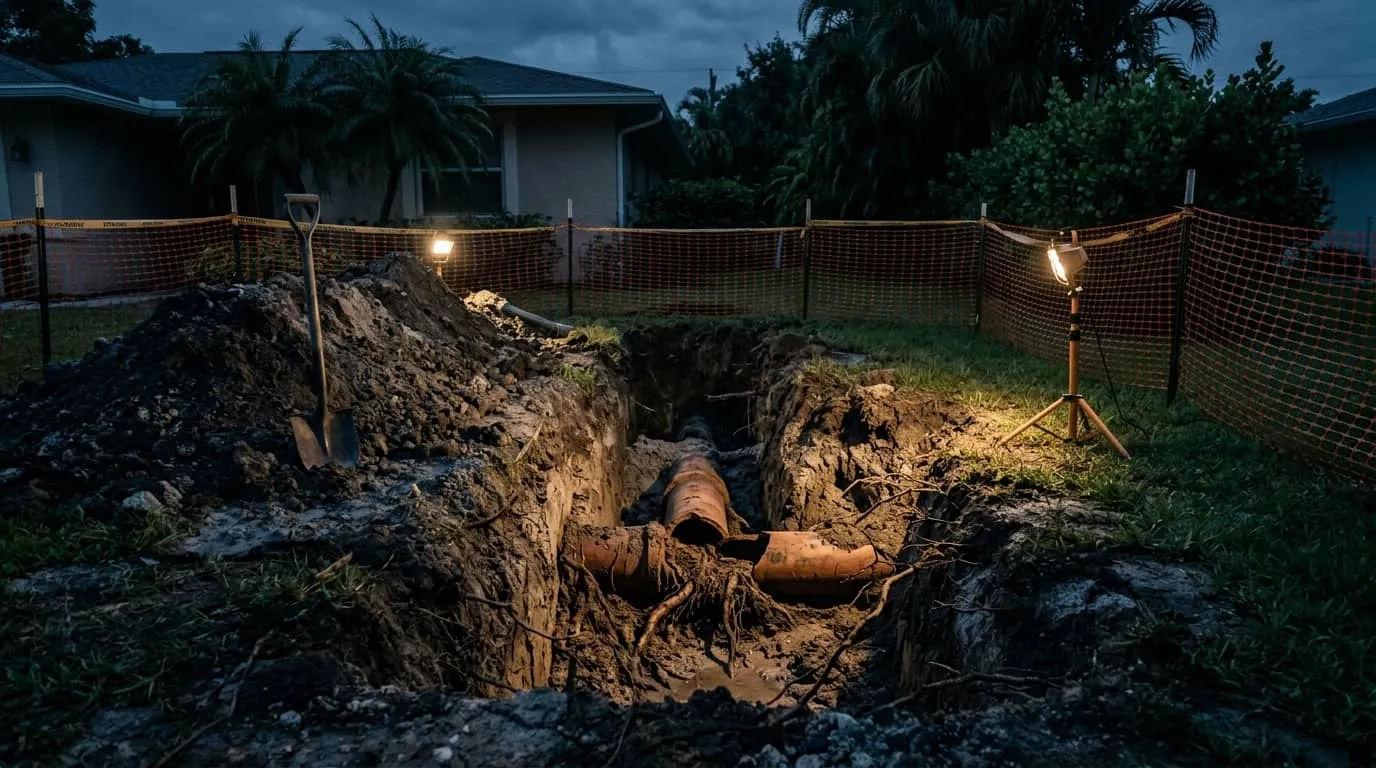
No dormant season for roots
Banyan, ficus and royal poinciana push roots year-round. There’s no winter lull to give a leaking joint a rest.
Scoped, measured, answered 24/7
The lateral gets scoped on camera and the blockage located to a measured distance, so work begins on the run you’re responsible for, not the utility’s section.
Which section of the sewer line is the homeowner’s?
Ownership splits at the property line. Everything between the house and that line belongs to the owner; everything from there to the main generally belongs to the utility. Miami-Dade spells this out directly: the property owner covers the connection running from the main to the fixtures inside, and is expected to put a cleanout at the line itself so the county’s own section stays reachable.
Broward and Palm Beach don’t follow one countywide rule the way Miami-Dade does. Each municipality sets its own line, so it gets verified for the specific address rather than assumed.
This matters because it decides who pays. A fault sitting early in the run is one conversation; a fault sitting out near the main, past the property-line cleanout, is an entirely different one. The camera turns that question into a measured distance instead of a guess.
Signs it’s the lateral
A single slow drain is local. These signs point further out, to the line running to the street.
The lowest fixture usually surfaces first, which is why a shower can back up while sinks upstairs keep draining fine.
Air forced back through the trap means the line further down can’t handle the volume being sent to it.
A break lets effluent seep into the soil. In a lawn, that often shows as a strip that stays green in dry weather.
Cleared one week, blocked the next. Roots regrow into the same joint, and cutting clears the debris, not the crack.
A smell in the yard rather than the house usually means a break in the buried run, not a dried trap.
How the repair proceeds
Four steps, in order, where the measured distance decides both the method and who pays.
The cleanout gets opened first so the property is usable again right away, well before anyone starts working out the rest.
A camera travels from the cleanout out toward the main, recording as it goes, and the reel measures exactly how far in the fault sits.
Depends on the address and the local utility. If the fault sits past that point, you’re told so, even though it means less work for us.
A spot repair where local, a trenchless liner for a long run under a yard worth keeping intact, or replacement where the pipe has lost its shape.
Why laterals fail on this coast
Laterals fail here for two reasons together: the material, and what has grown over it since.
Banyan, ficus and royal poinciana push roots year-round. There’s no winter lull to give a leaking joint a rest.
A crack leaks vapor and nutrients into the soil, a beacon to nearby roots. Once inside, the mass expands and widens the crack.
A mature ficus or laurel can extend roots fifty feet or more from its own trunk, often further than assumed.
A house built anywhere from the 1950s to the 1970s is likely still connected by its original lateral, cast iron or clay tile that has spent decades absorbing salt and root pressure alike.
Where a property-line cleanout exists, the scope and the boundary question are simple. Where none exists, installing one is usually first.
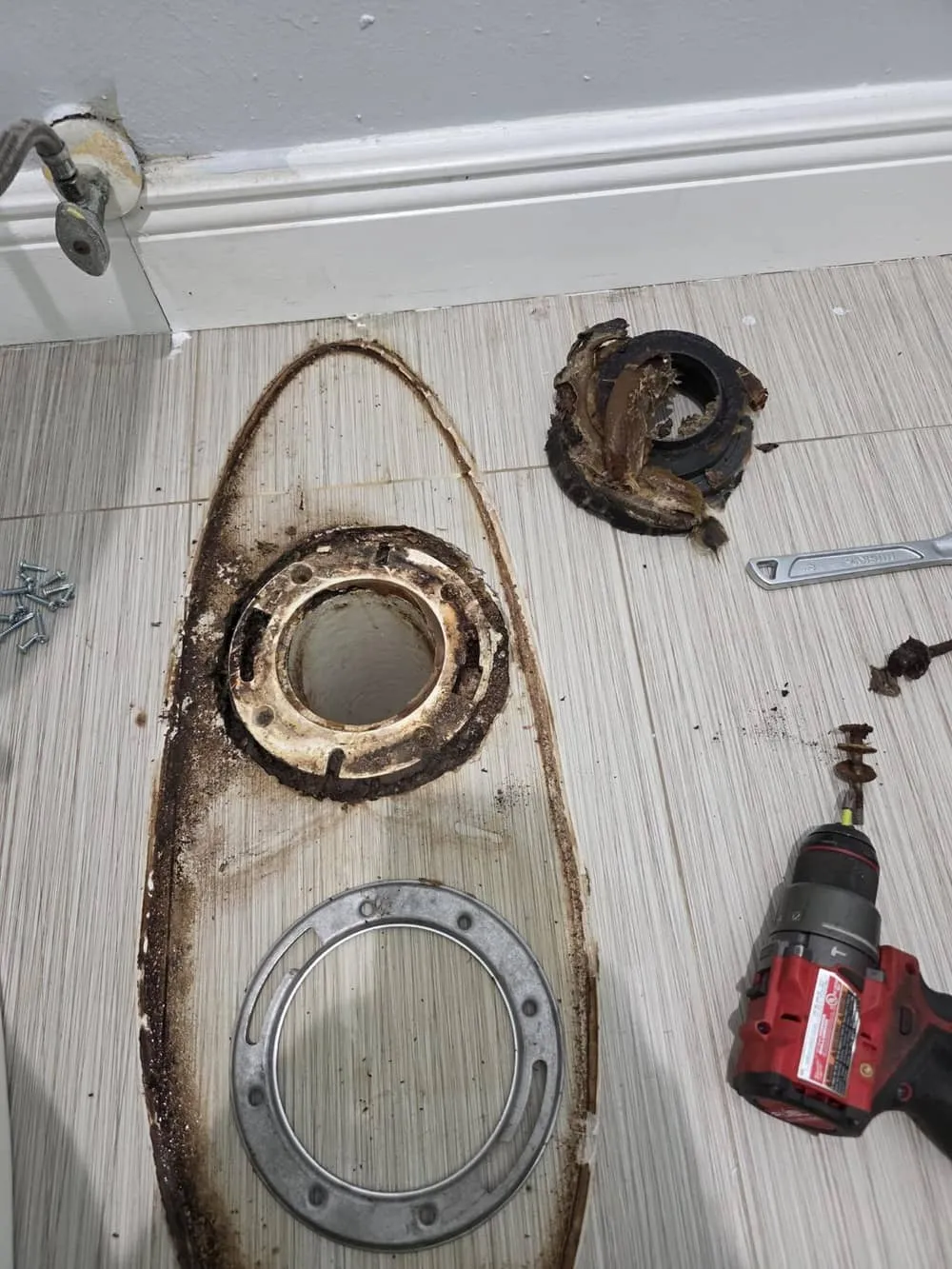
Recent jobs
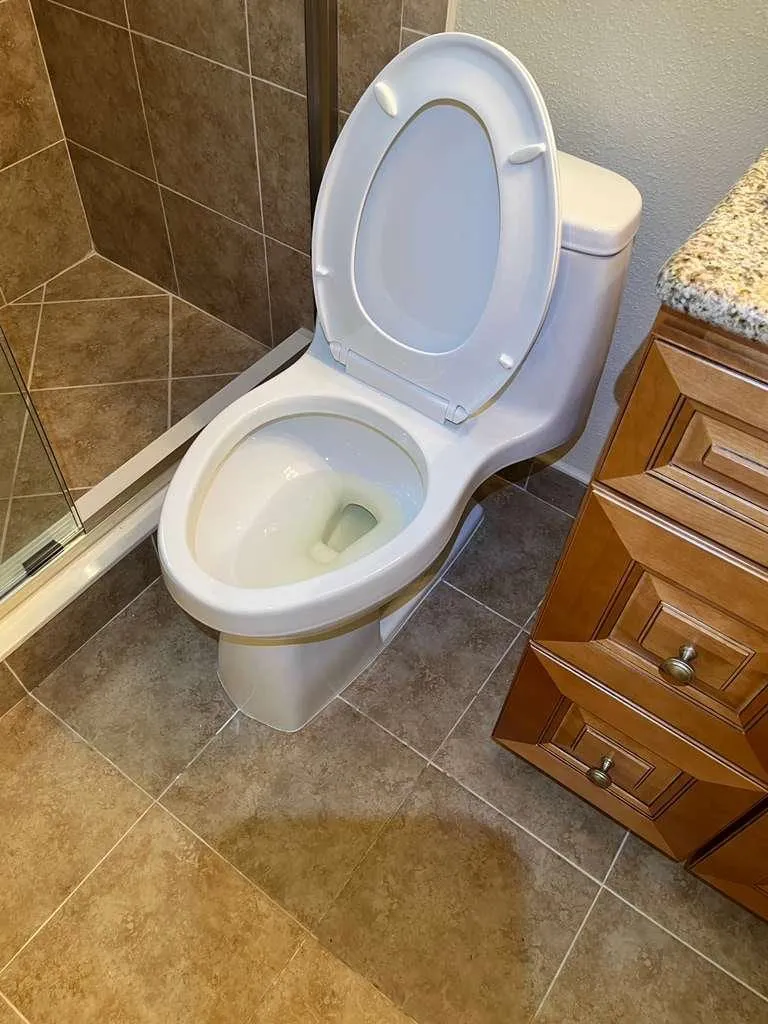
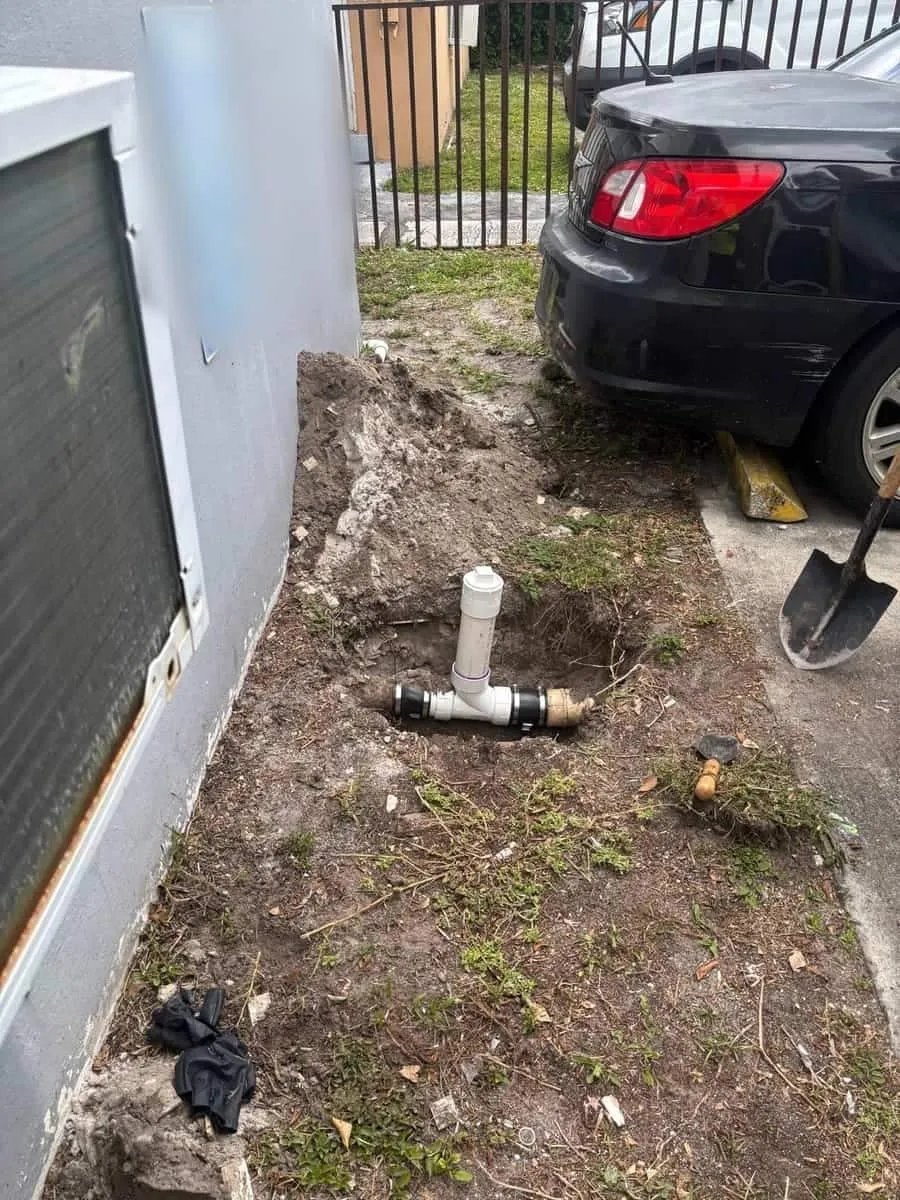
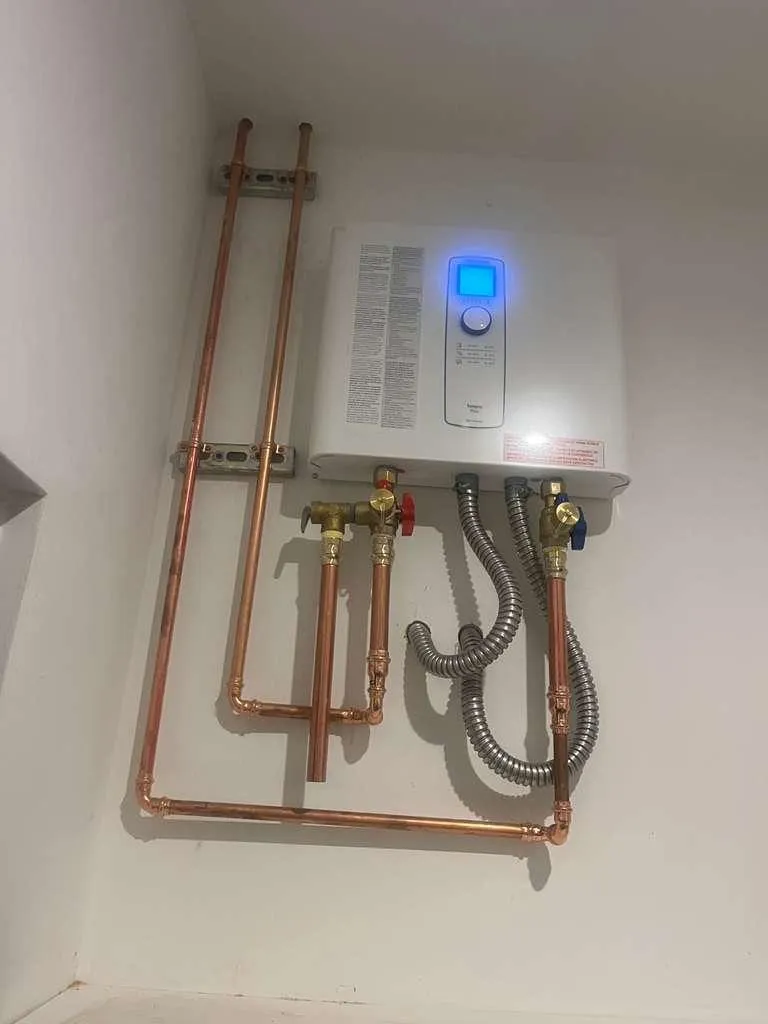
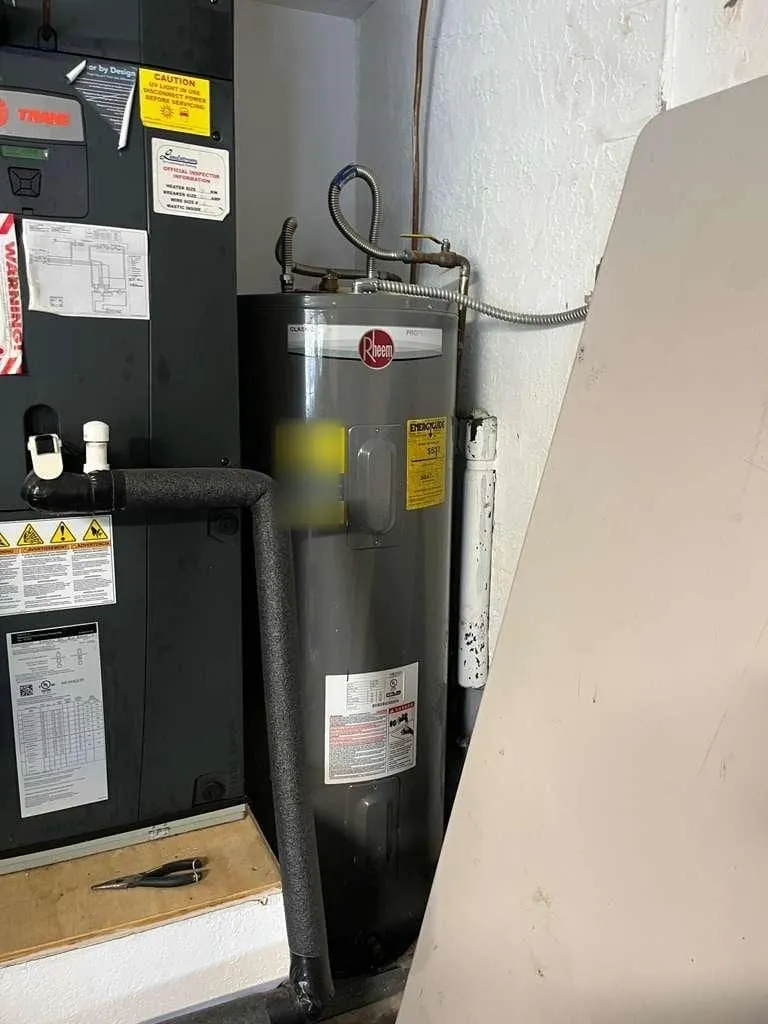
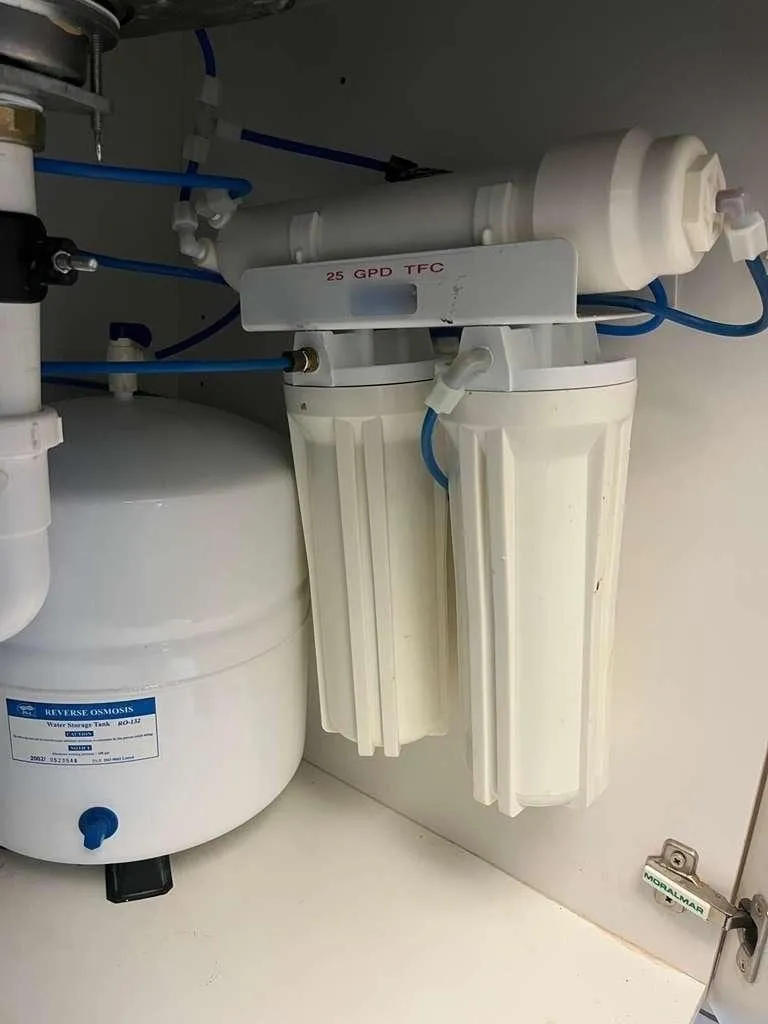
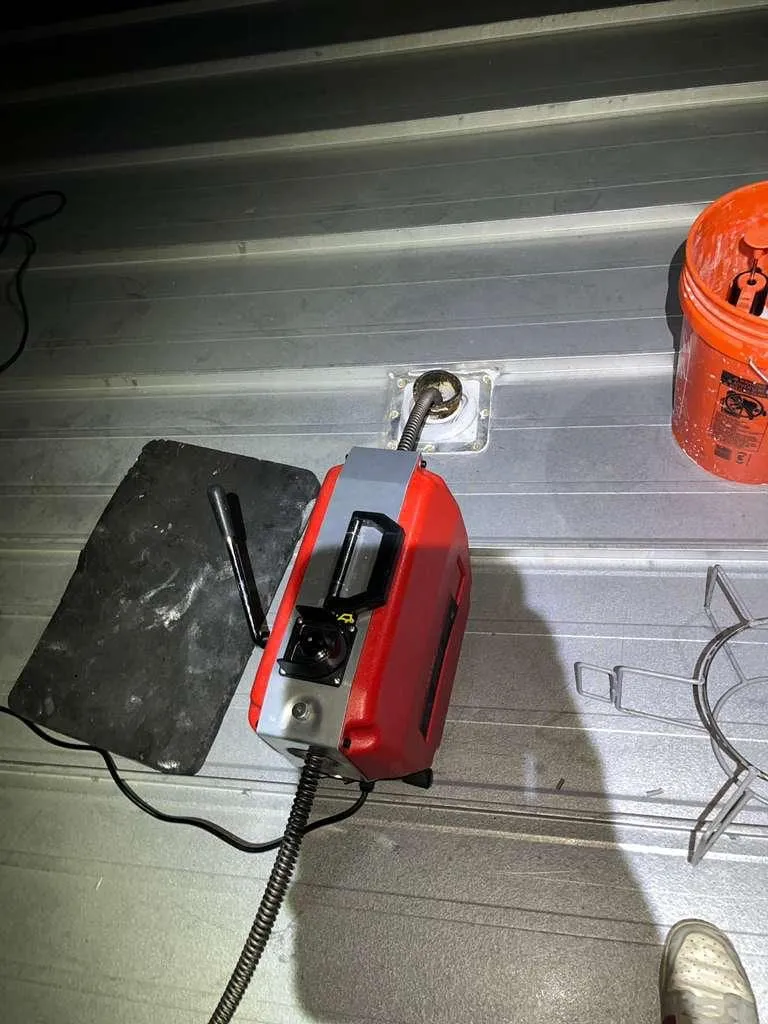
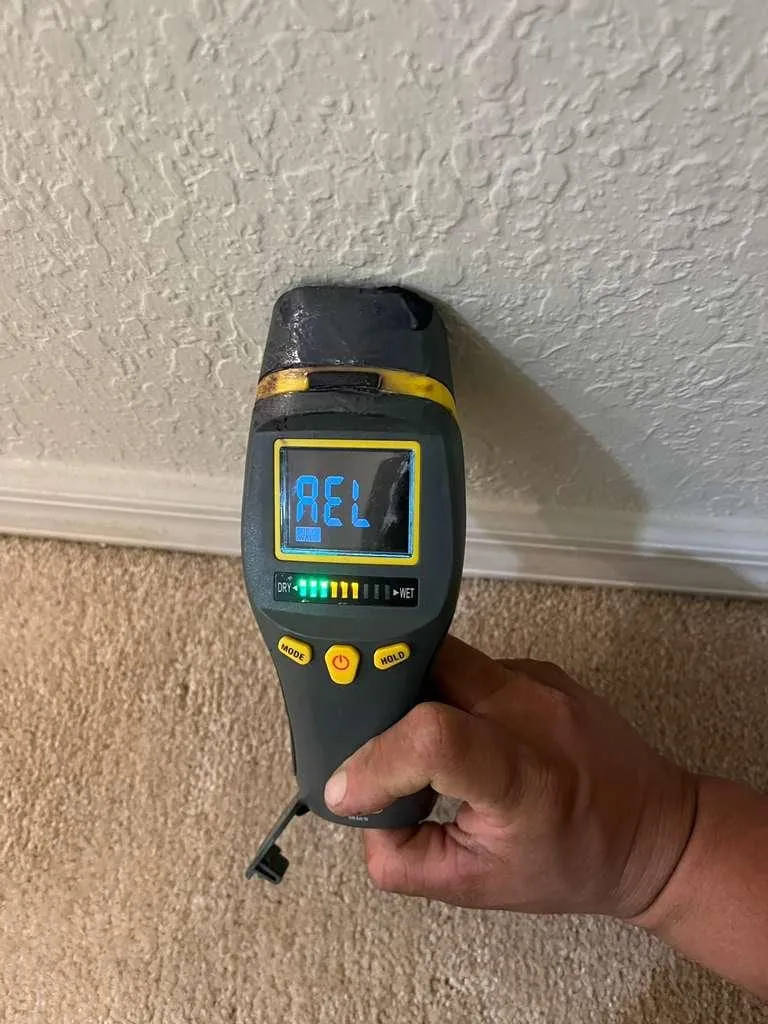
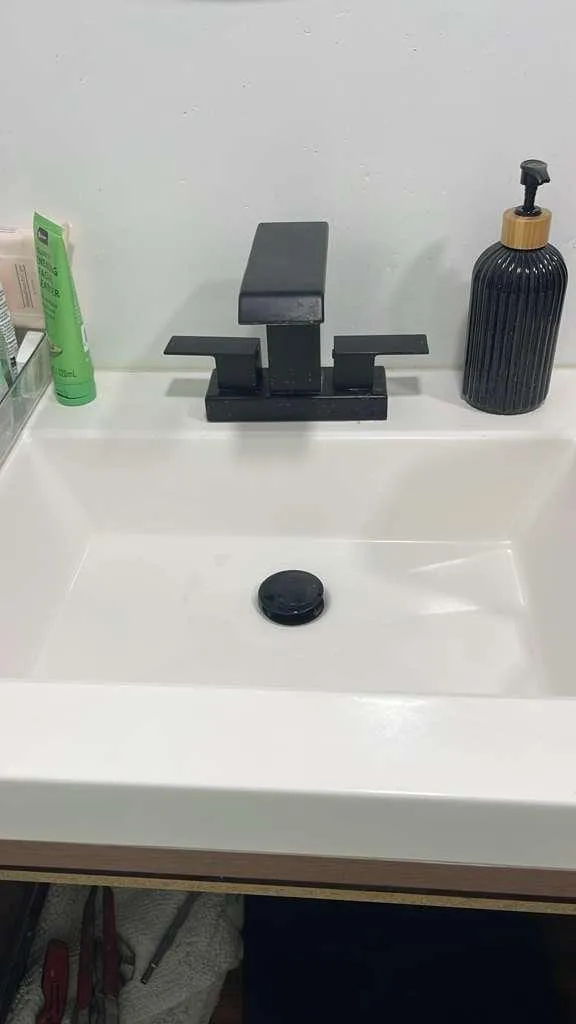
Photographed on site while the crew was actually there.
Reviews
Straight from the company’s Google Business Profile, each quote carrying the reviewer’s own public name.
A selection of our 5-star reviews on Google.
See all reviews on GoogleId be completely comfortable having them back for future plumbing work. Everything about this visit was straightforward and well handled.
He even explained which work wasn't worth spending money on yet. That's the kind of honesty that makes me want to call someone again.
Nothing about the job looked rushed. From the repair itself to the final testing, everything was handled carefully and professionally.
Questions
Often not. A trenchless liner needs access only at each end, which suits a long lateral under a driveway. A collapsed pipe can’t be lined, and the camera shows which you have.
The camera gives a distance from the cleanout; the boundary for that address gives the line. Miami-Dade’s rule is countywide; Broward and Palm Beach set it city by city.
That clears the blockage but leaves the opening they came through, so they return. It makes the property usable. It isn’t the repair.
Getting the property usable again happens the same visit. A spot repair typically wraps up in a day. Lining or replacing the whole lateral takes longer, driven mostly by its length and the permit timeline.
That depends on the policy and how the damage happened. Either way, the footage, photographs and itemized invoice belong to you.
Nearby jobs
What a sewer camera scope commonly leads to.
Live dispatch · 24 / 7 / 365
Stop running water anywhere on the property and call. Someone answers at any hour, and the line gets relieved first.
No obligation. Work performed under Florida plumbing contractor license CFC1433655.