Humidity and soil chemistry speed it up
That 40-to-50-year rating assumes a drier climate than this one. Humidity and soil chemistry push the oxidation along faster, so 25 to 30 years is a common failure point here.
Scoped on camera first · answered 24/7
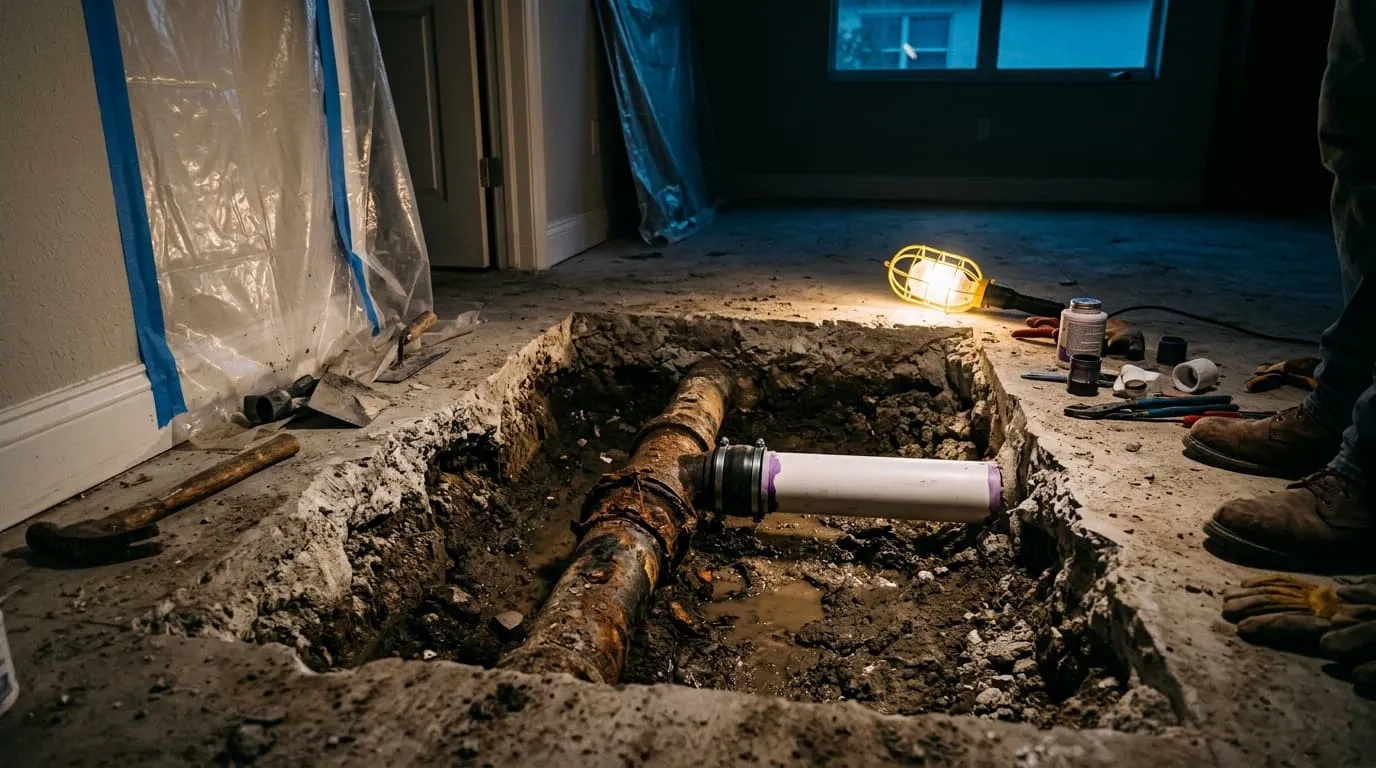
A camera runs the length of the line first, so the price reflects only the run that has actually failed: replacement under the slab, or a cured-in-place liner.
Why does cast iron fail so much sooner here?
Manufacturers rate cast iron drain lines for 40 to 50 years of service. South Florida routinely cuts that number to 25 or 30, because the corrosion starts on the inside of the pipe, roughening and scaling the bore until every flush leaves behind a little more grease, hair and mineral scale than the last one.
That is why a house built between 1945 and 1975 with clogs that keep coming back is usually dealing with the pipe itself, not what went down it. A snake clears the blockage and leaves the cause in place, so the drain backs up again within months.
The pattern shows up as recurring slow drains, sewer odor with no obvious source, and occasionally a slab leak. A camera inspection settles which you have: an intact wall that is only scaled, worth cleaning out and watching, or a wall that has actually given way, which calls for replacement or a liner.
Signs it’s the pipe itself
Any one sign could mean something else. Two or three together, in a house from the right era, is almost always the pipe.
Cleared once, slow again within months. A scaled bore catches debris almost as fast as it is cleared.
A perforation lets gas escape into the fill beneath the slab, often strongest in a room with no fixture at all.
Water from a failed line spreads sideways through the fill, so the damp spot rarely sits above the actual break.
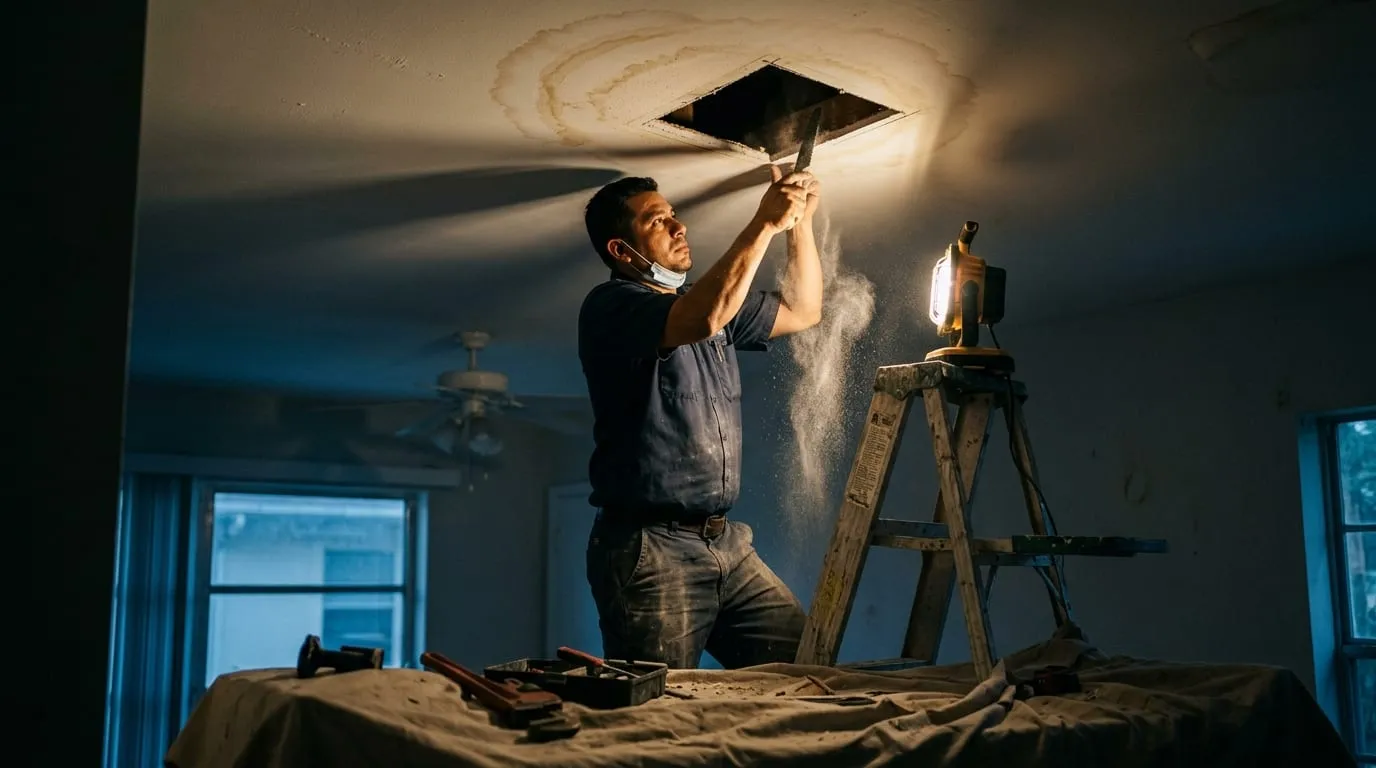
A long-running leak washes fine material out from under the slab. The floor can shift before anything looks wet.
One slow fixture is local. Several at once points to the main line under the slab.
How the work proceeds
Five steps, always in order, because the camera scope decides everything after it.
The camera travels from the cleanout to the far end of the run beneath the slab, and you watch the same footage the plumber does.
The footage separates where the wall has failed from where it is merely scaled: the line between a targeted repair and a whole-house one.
Covering only the run that failed, with the method named. Nothing begins until you accept it.
New PVC goes in wherever the slab can reasonably be opened; a cured-in-place liner takes over wherever cutting the floor would cost more than the repair itself.
A follow-up camera pass confirms the repair, plus photographs and an itemized invoice for an adjuster.
Why this soil is harder on the pipe
Cast iron doesn’t fail on a schedule. It fails on what surrounds it.
That 40-to-50-year rating assumes a drier climate than this one. Humidity and soil chemistry push the oxidation along faster, so 25 to 30 years is a common failure point here.
Nearly every home sits on a slab, so the drain runs inside or beneath the concrete instead of hanging visibly.
Water escaping the line spreads through the fill instead of pooling, so detection has to come before demolition.
A leaking joint draws roots from banyan, ficus and royal poinciana alike, and because winter here never really arrives, that advance gets no season off.
A cured liner leaves a new surface inside the existing pipe, one manufacturers rate for about fifty years of service. Replacement is the simpler route wherever the slab is easy to reach.
Real jobs
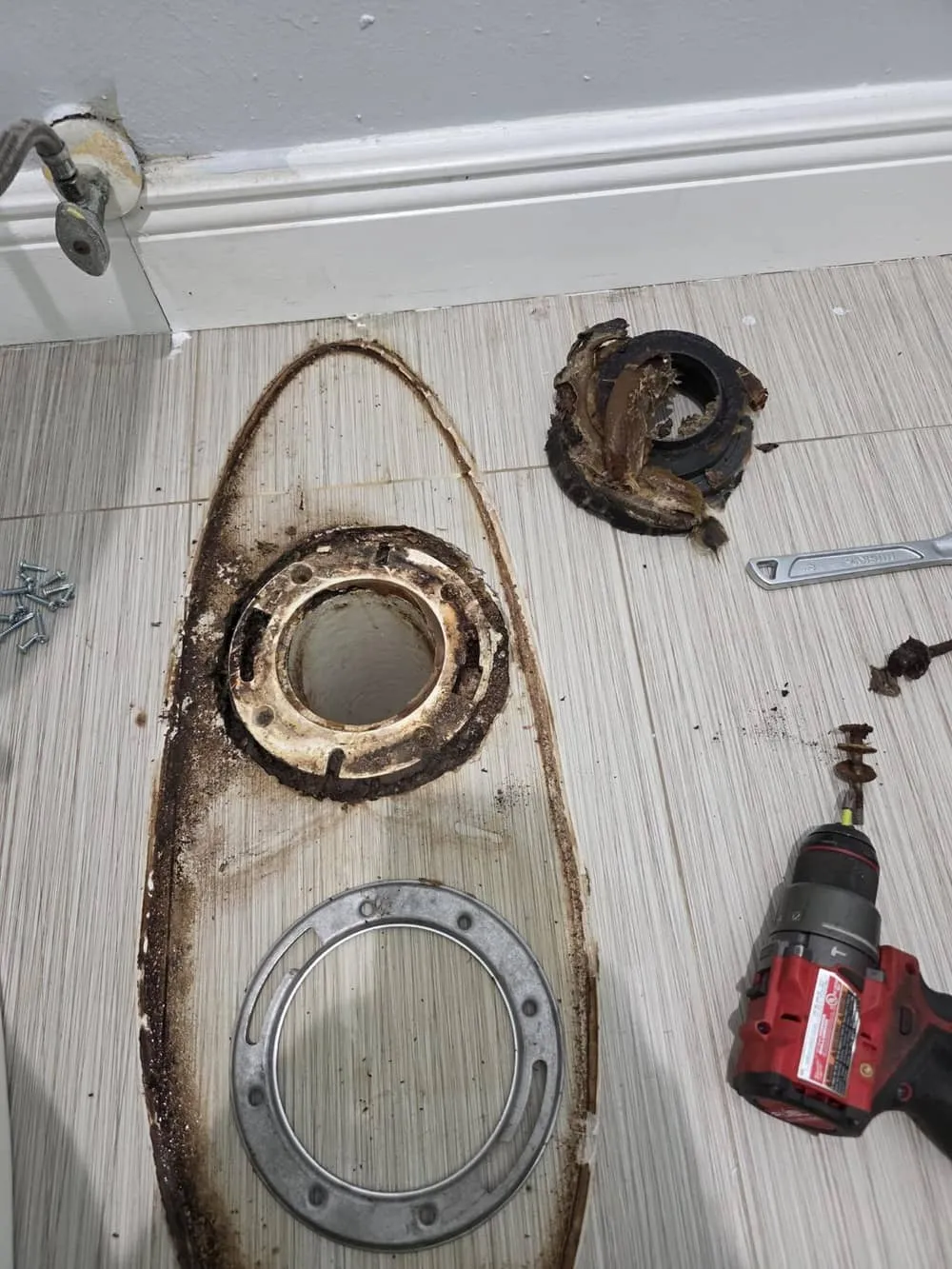
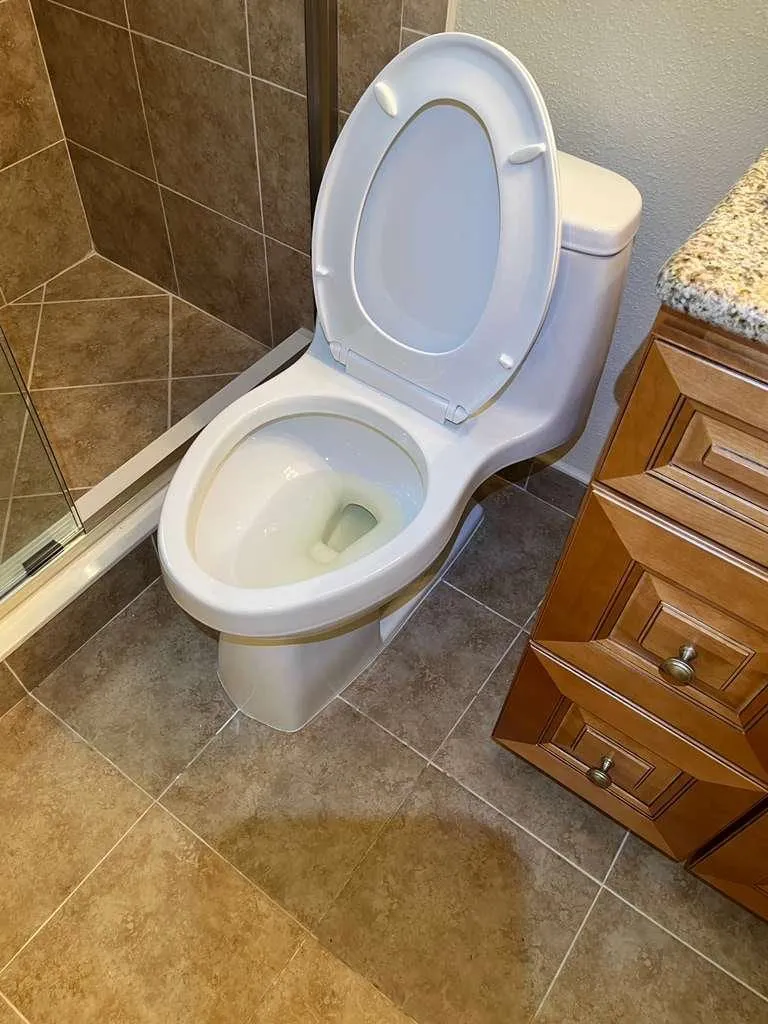
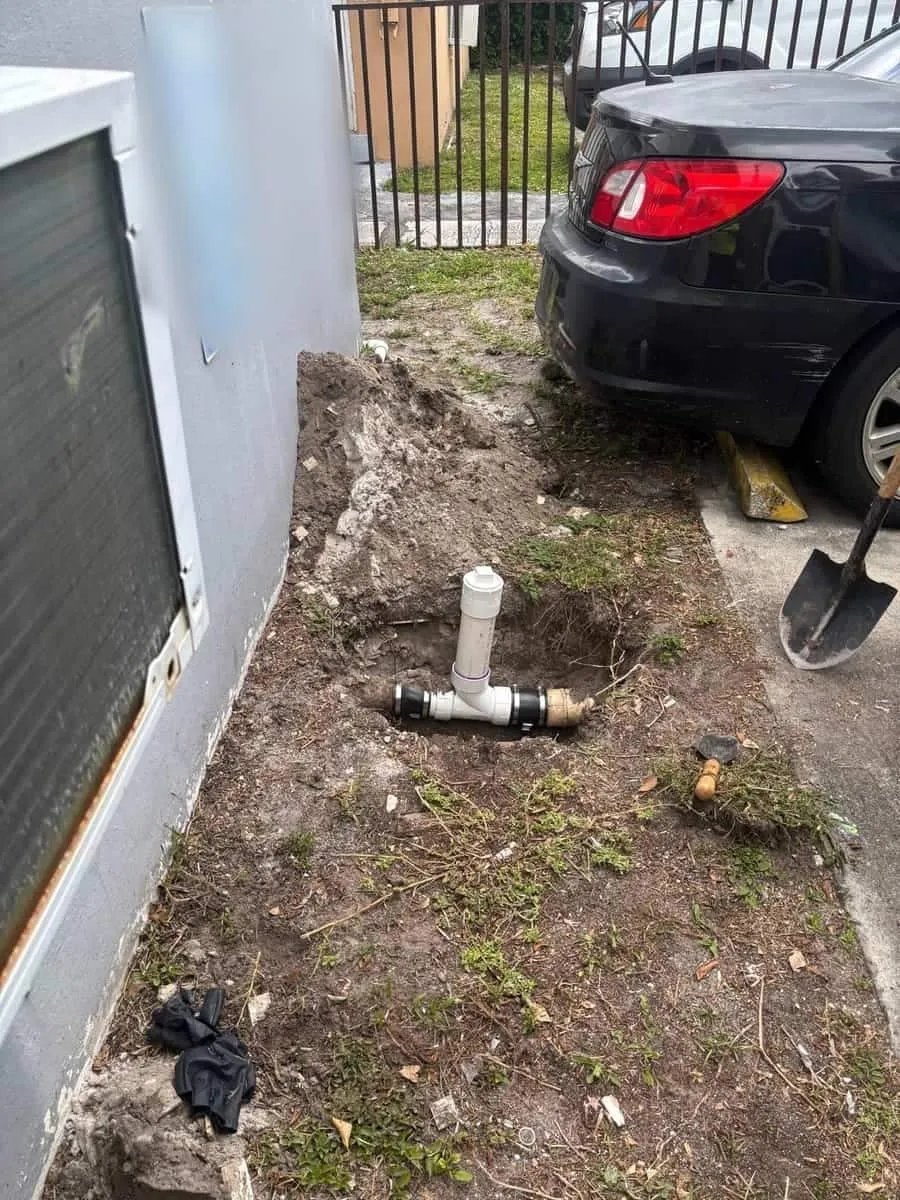
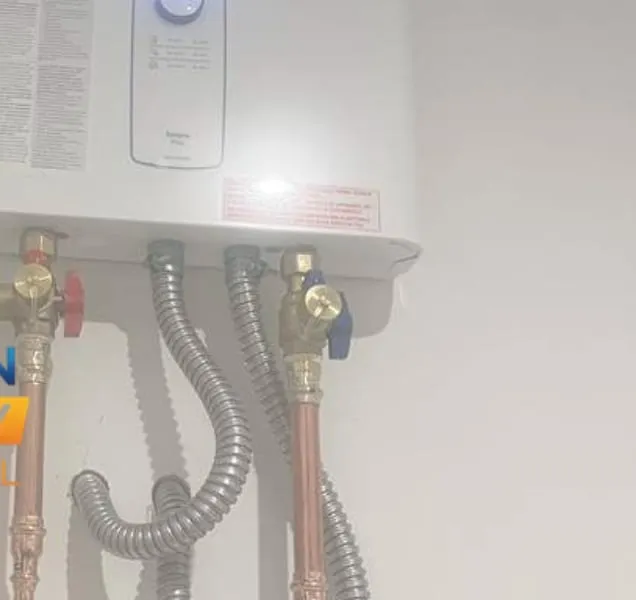
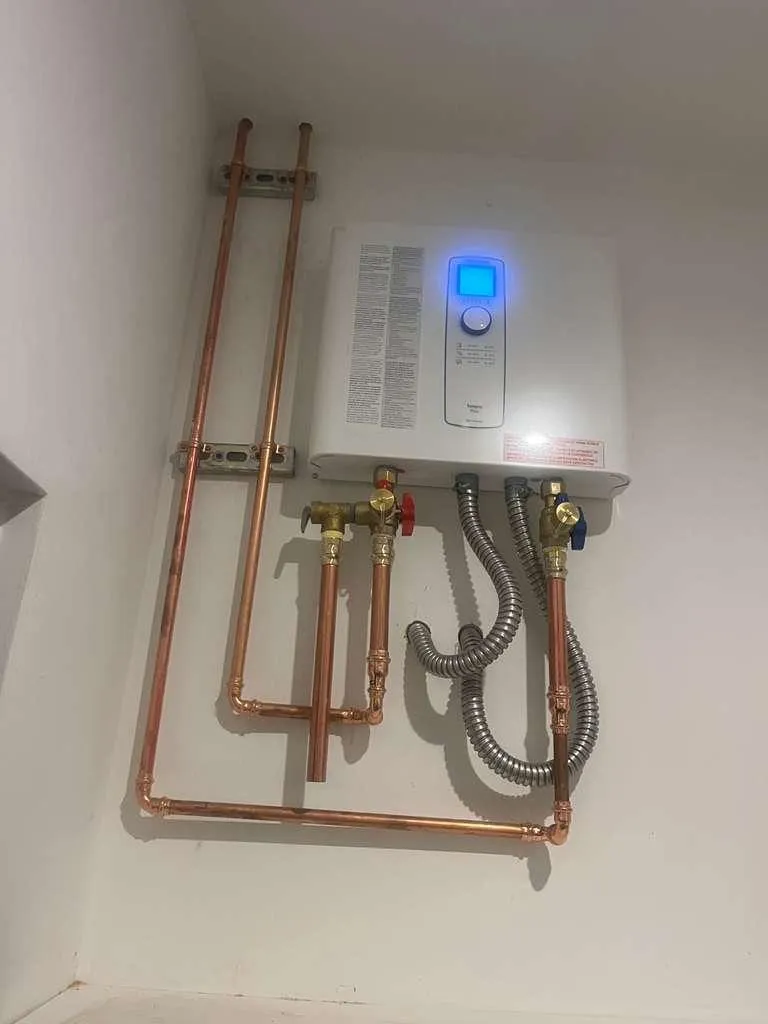
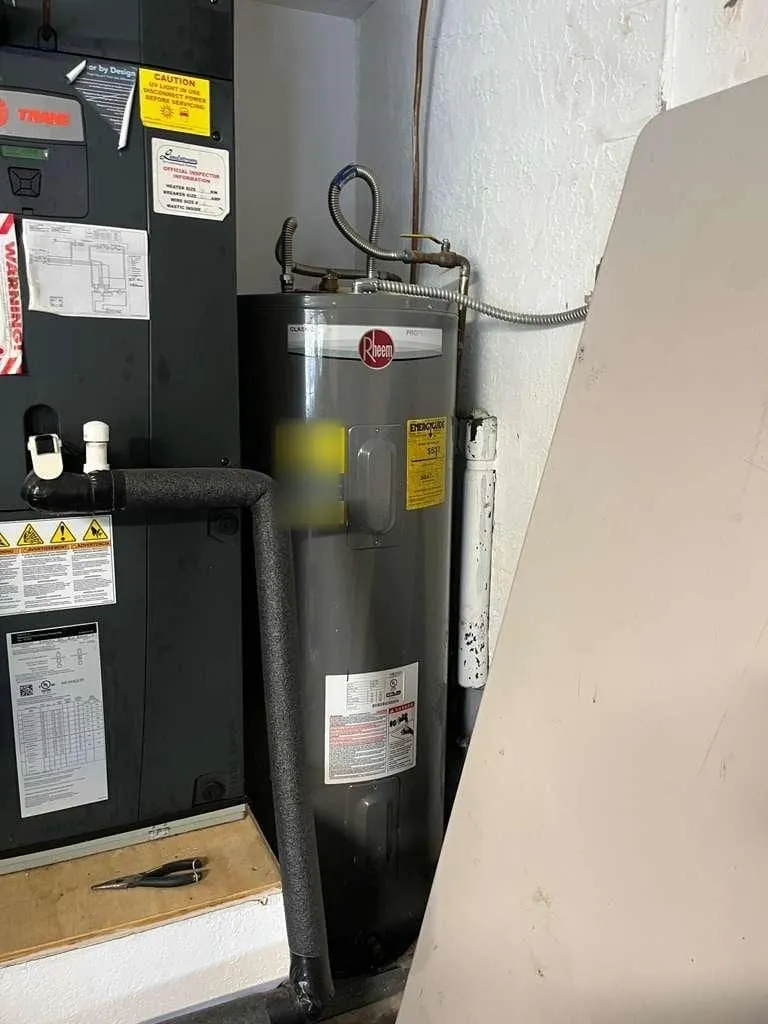
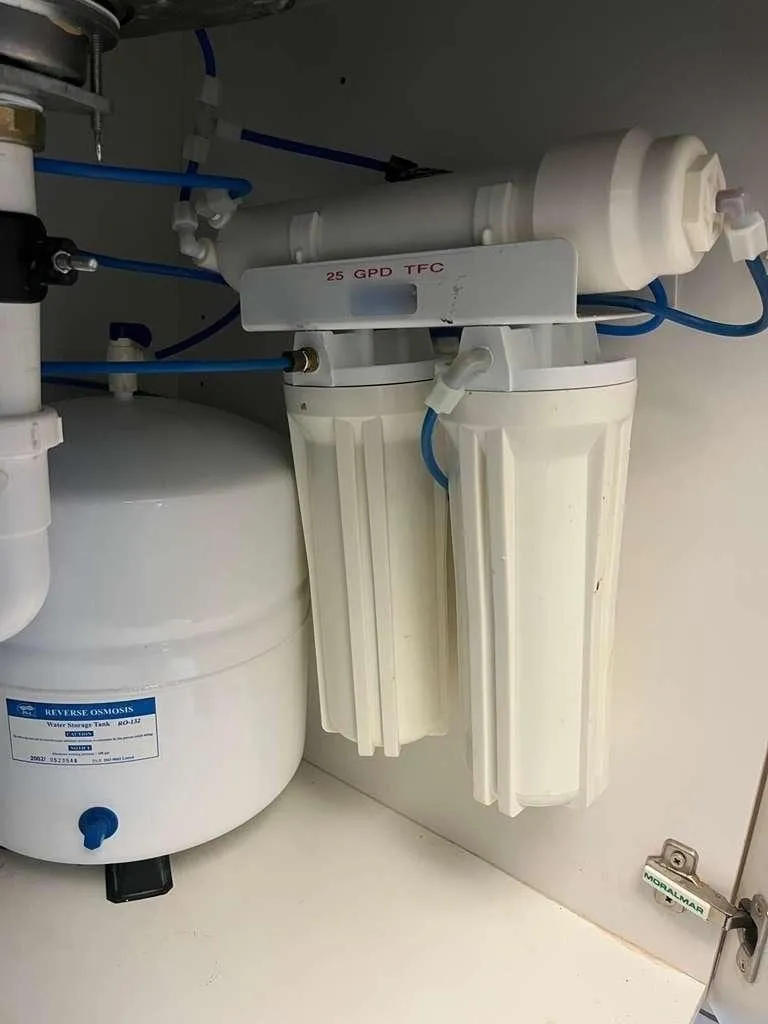
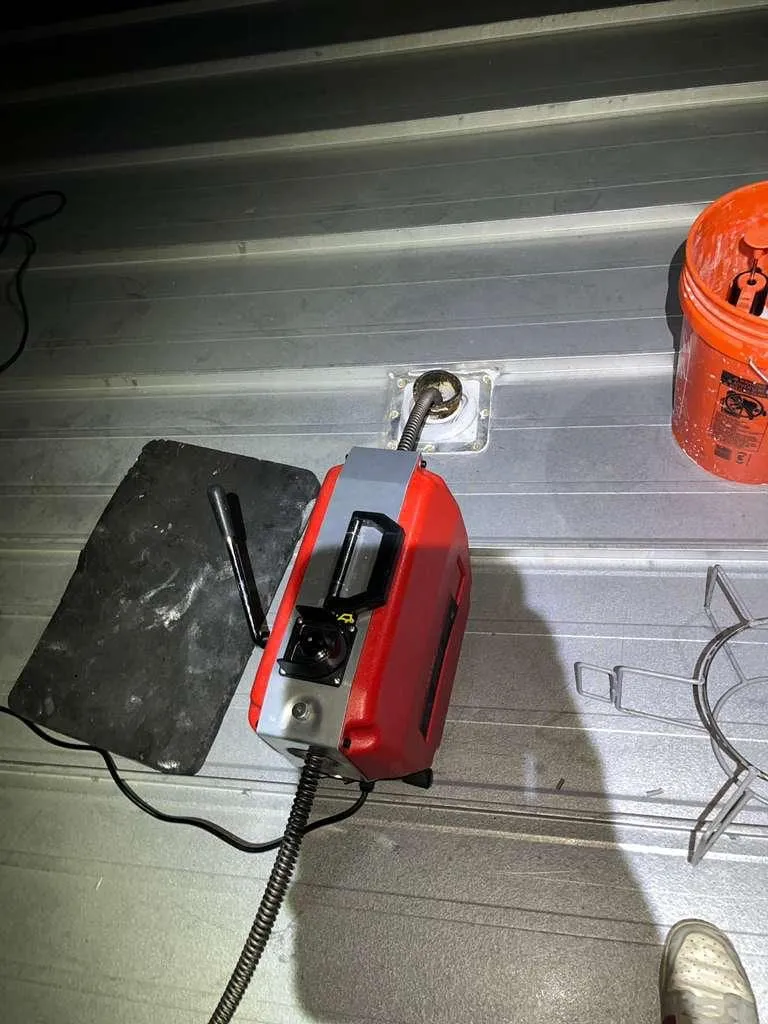
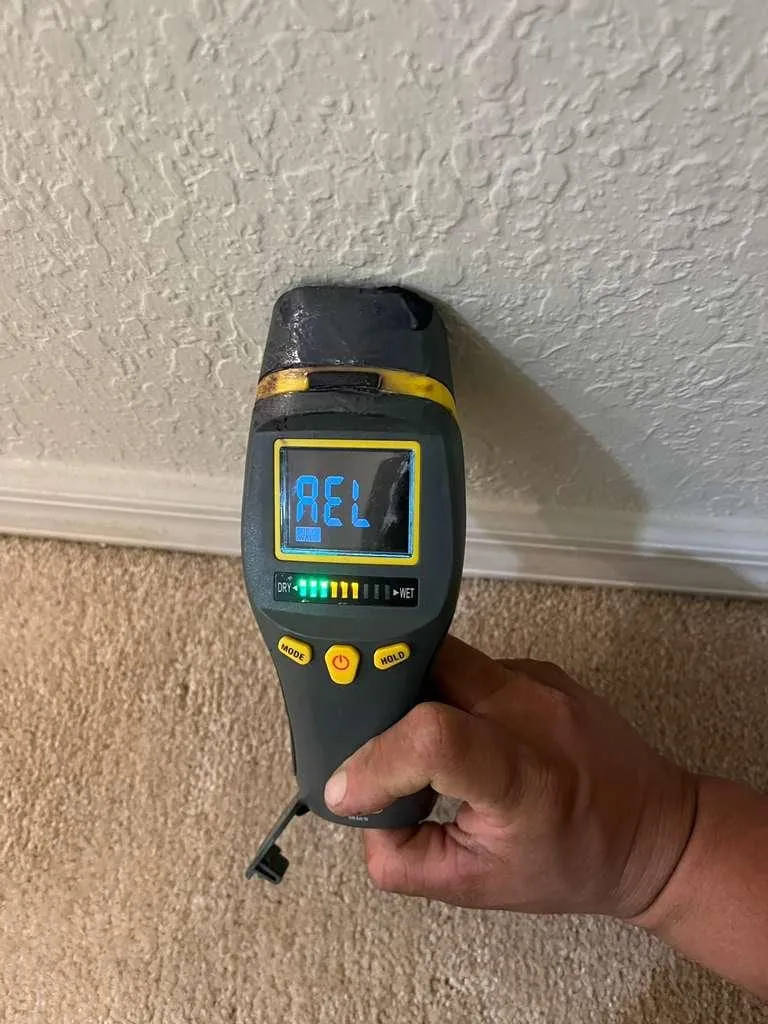
Shot on site by the crew doing the work, never sourced from stock.
Reviews
Taken from the company’s Google Business Profile directly, with each reviewer’s own public name attached.
A selection of our 5-star reviews on Google.
See all reviews on GoogleId be completely comfortable having them back for future plumbing work. Everything about this visit was straightforward and well handled.
He even explained which work wasn't worth spending money on yet. That's the kind of honesty that makes me want to call someone again.
Nothing about the job looked rushed. From the repair itself to the final testing, everything was handled carefully and professionally.
Questions
Not usually. The camera separates what has failed from what is only scaled, and the price covers the first. That decision should follow the footage, not precede it.
When the failure suits it, yes. The liner cures into a new interior surface with a service life manufacturers put at about fifty years. What it can’t do is straighten a pipe that has lost its shape, and that’s exactly what the camera checks for.
Depends on the failure and the method. A liner needs access at each end; replacement needs a trench. You get that answer before it’s priced.
That’s a conversation between you and your insurance company. On our end, the job gets documented: camera footage, photos of the failure, a line-item breakdown ready for whoever reviews the claim.
A scaled line that hasn’t perforated can sometimes be watched. One leaking under the slab cannot; it washes material from under the foundation the whole time.
What tends to come with it
Often part of the same underlying problem.
Live dispatch · 24 / 7 / 365
Someone answers any time, day or night. The camera goes in first, and the price follows what it shows.
No obligation. Work performed under Florida plumbing contractor license CFC1433655.