
Nothing to look at directly
No crawlspace, nothing below grade to check. Every supply and drain line runs inside or beneath concrete, so whatever you notice first is a symptom, never the pipe.
Found before anything gets cut open · answered 24/7
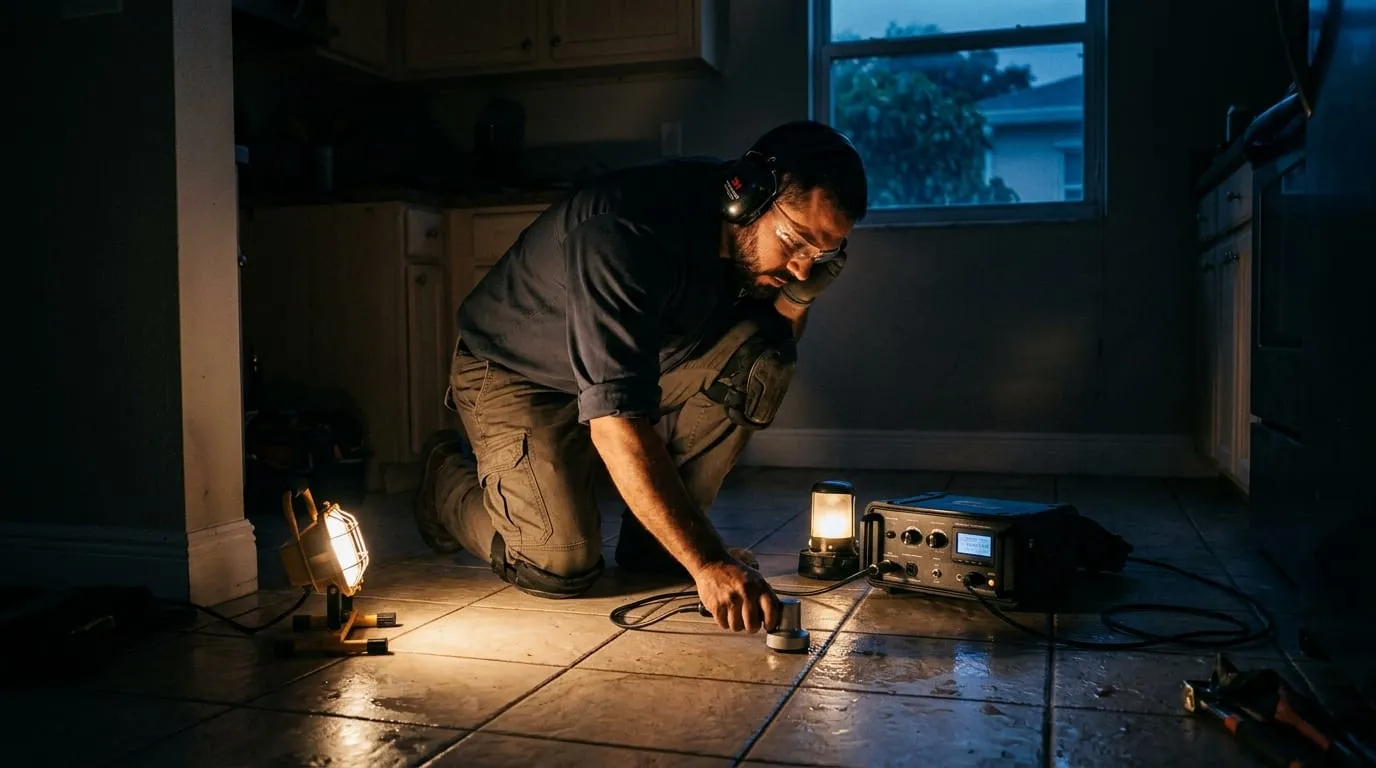
Acoustic listening, a thermal camera and pressure testing narrow a hidden leak to one point, so the cut lands where the pipe actually failed, not where the water surfaced.
Why isn’t the wet spot where the leak actually is?
Once a supply line loses its seal under a slab, the water rarely stays where it let go. South Florida’s water table sits only a few feet down, and the fill under most houses here is loose enough that escaping water spreads outward long before it ever rises to the surface. It shows up wherever the path happens to be easiest: a grout line, a hairline crack, a low corner of a room, almost never directly above the actual failure.
None of what shows on the surface, a wet patch, a tile warmer than the rest, water you can just barely hear, tells you where to cut. Treat any of it as the location and a small repair grows into a large one fast.
Detection leans on three instruments working together: acoustic gear that listens for the escape itself, a thermal camera that reads the temperature difference a hot-water leak leaves behind, and a pressure test that isolates which line lost pressure in the first place.
What you’re noticing
None of these pinpoints the break alone. All are worth acting on.
No change in household use, yet the bill climbed; a slab leak runs nonstop and never lets up overnight.
A hot-water line leaking under the slab warms the concrete above it, usually wider than the leak and off to one side.
Every fixture off, yet a faint running sound comes through the floor, a pressurized line, not a drain.
Weaker flow everywhere, not just one fixture, means the loss sits upstream of the fixtures themselves.
Water rises wherever it first can. A damp baseboard means the water traveled, not where it started.
How the visit unfolds
Four steps, always in that order, each one narrows the next.
A pressure test finds whether the loss is on a supply line or a drain. Searching the wrong system is the costliest mistake here.
Acoustic equipment picks up the escape; a thermal camera picks up the temperature gradient. Together they narrow the run to a small area.
A mark goes on the floor showing where the break sits, made before any tool touches the slab, so the reasoning stays visible to you.
One opening over the marked spot, then photographs and an itemized invoice in the form an adjuster will ask for.
Why detection is harder on this coast
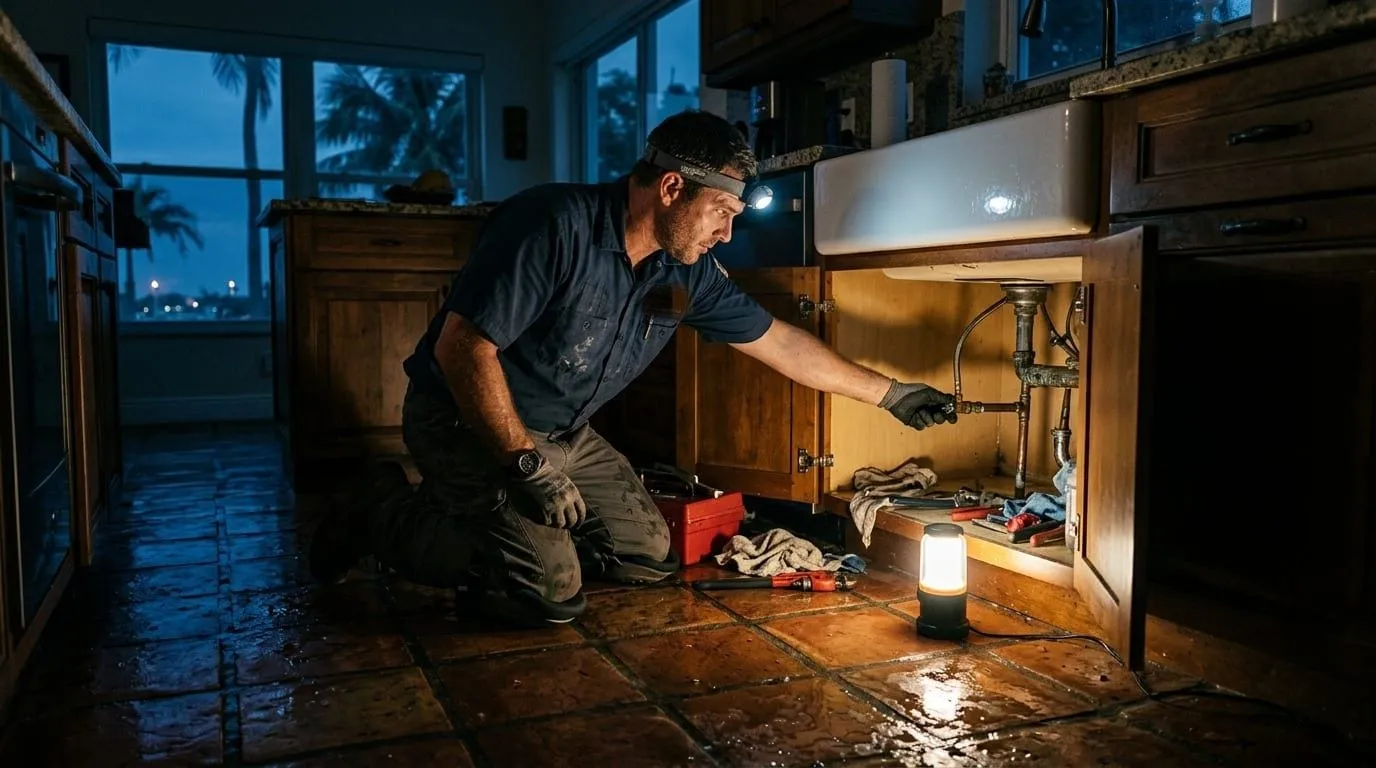
Finding a hidden leak takes more here than it does further inland.
No crawlspace, nothing below grade to check. Every supply and drain line runs inside or beneath concrete, so whatever you notice first is a symptom, never the pipe.
Escaping water spreads sideways through the fill instead of pooling, which is why the wet spot rarely sits above the break.
Heavy rain lifts the water table and pushes upward against foundations, part of why leaks surface more in the wet months.
Near the coast, copper supply lines corrode from the outside too, so a pinhole can appear in a line that isn’t old.
A thermal camera finds a hot-water leak fast and a cold-water leak barely at all, so the failed line decides the tool.
Recent jobs
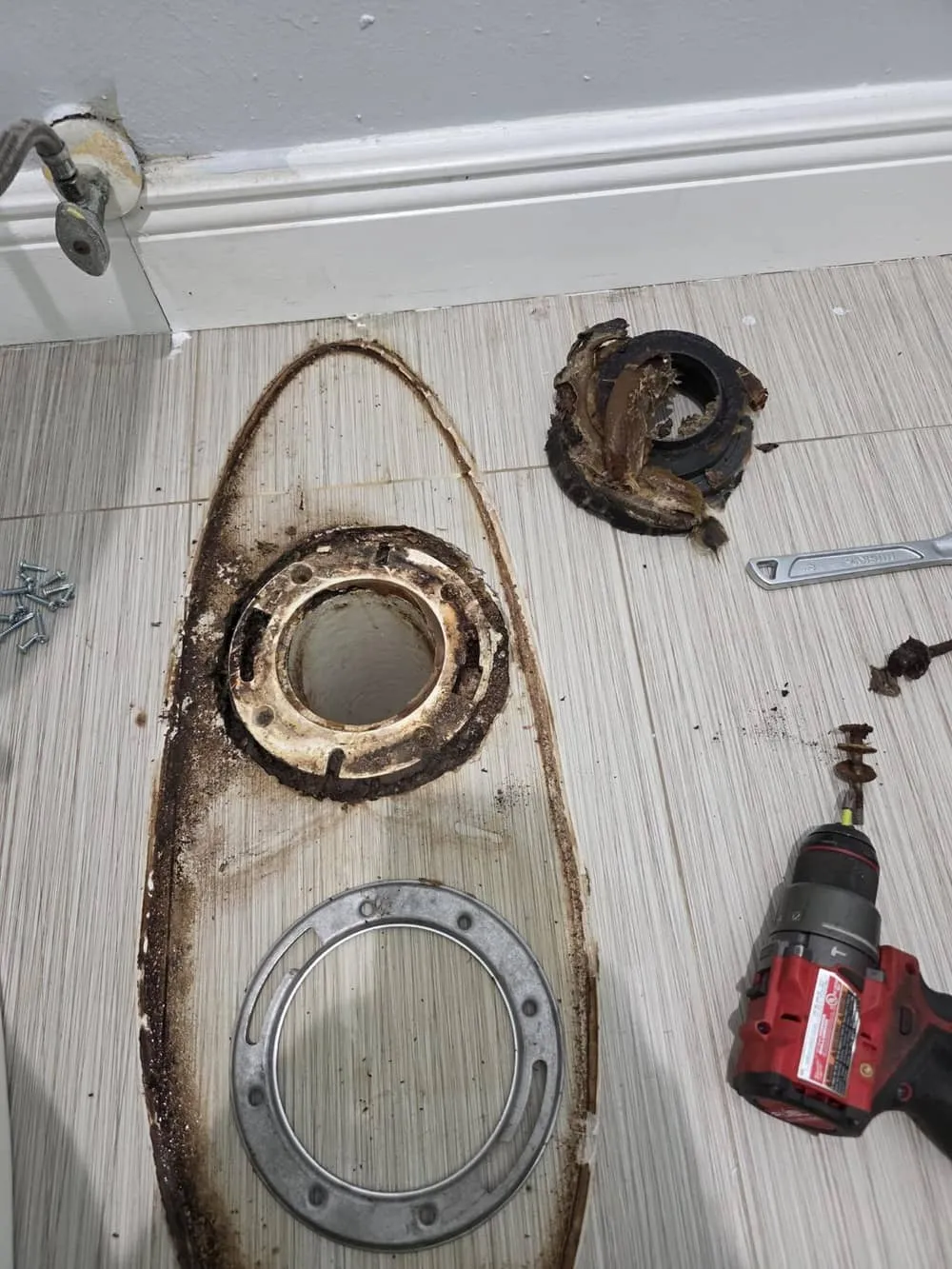
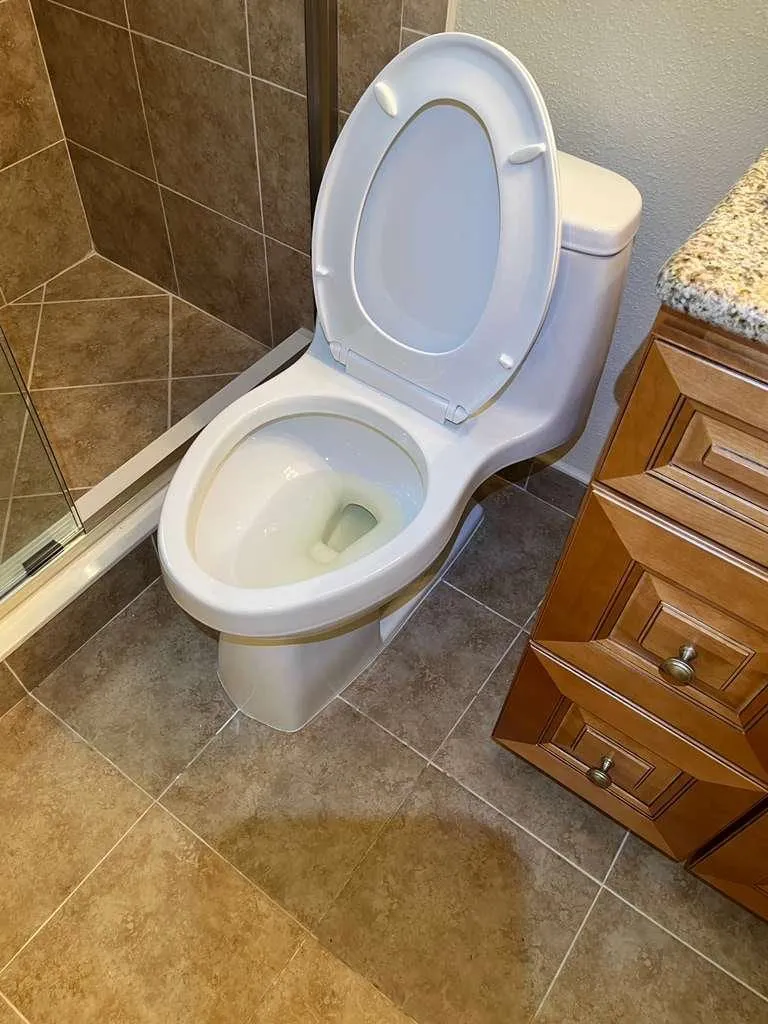
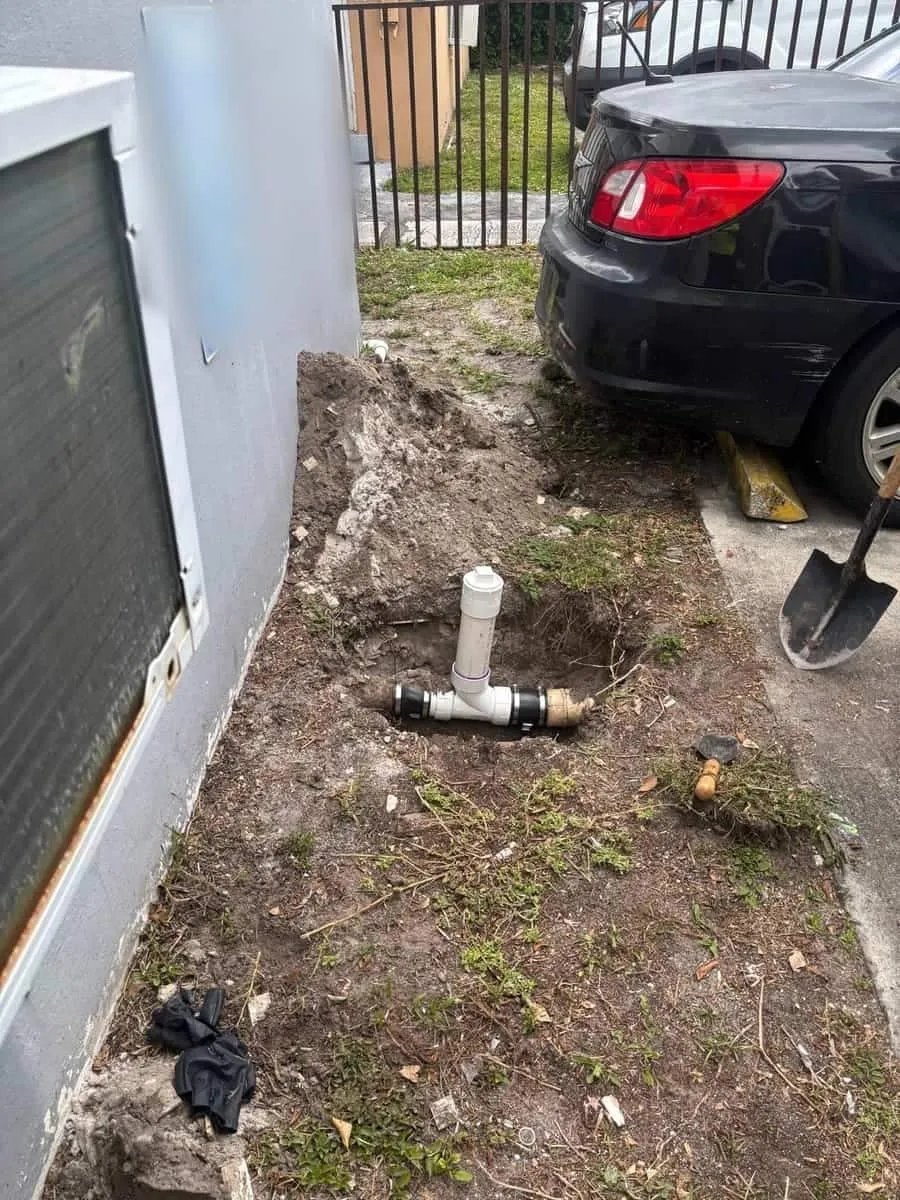
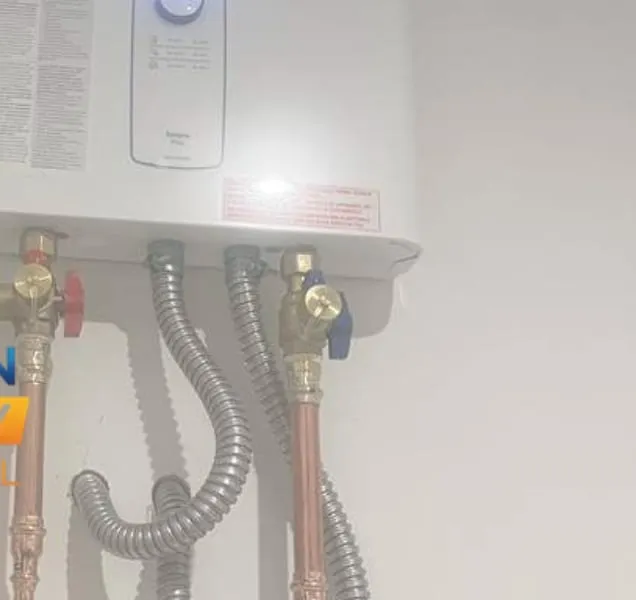
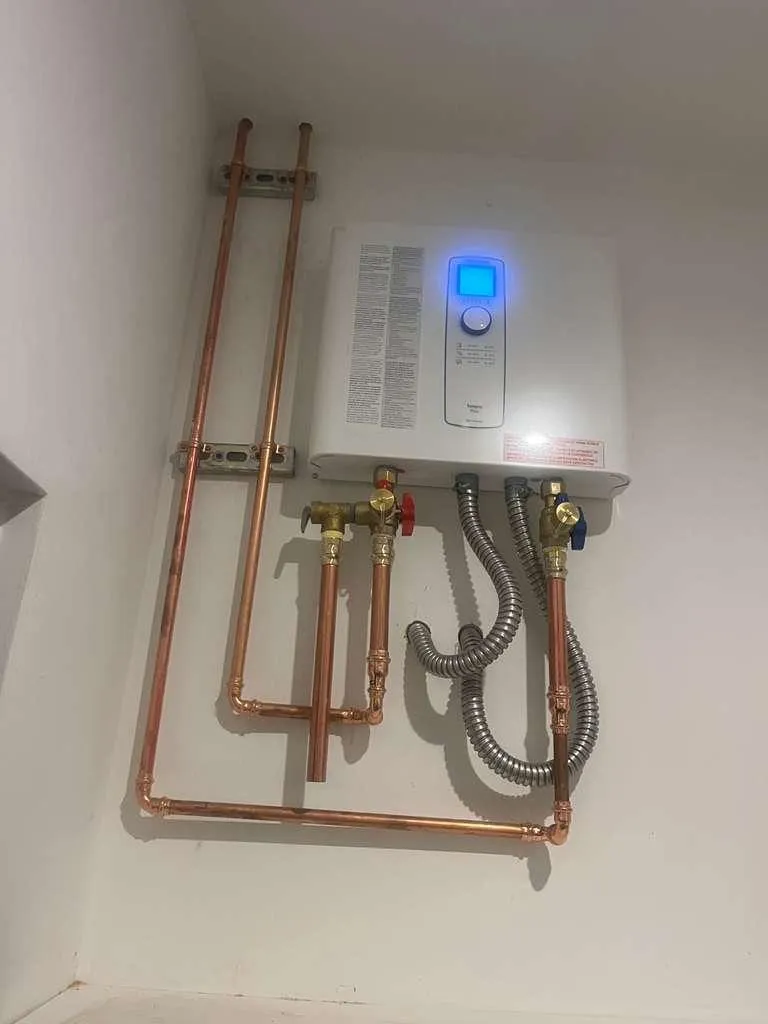
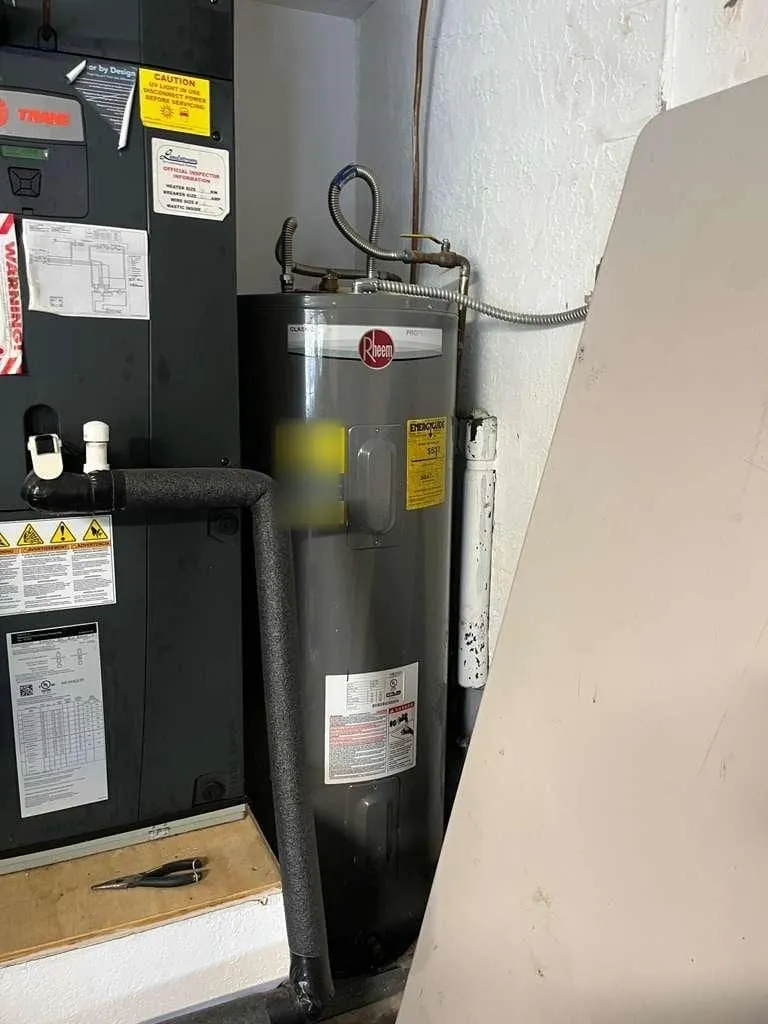
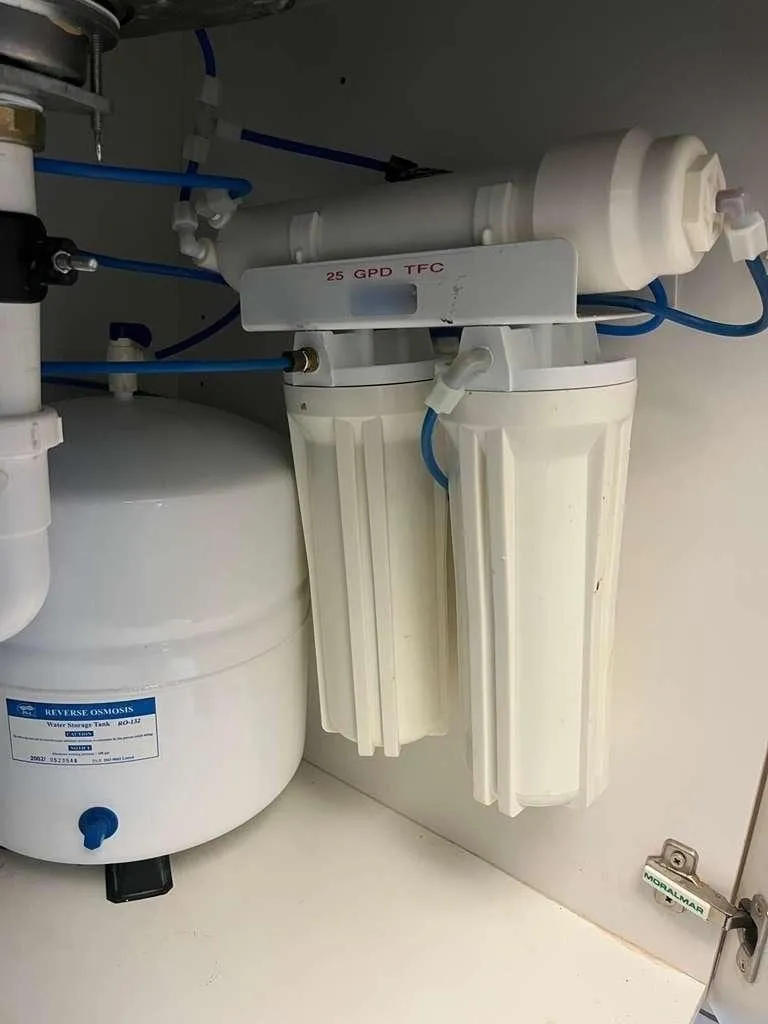
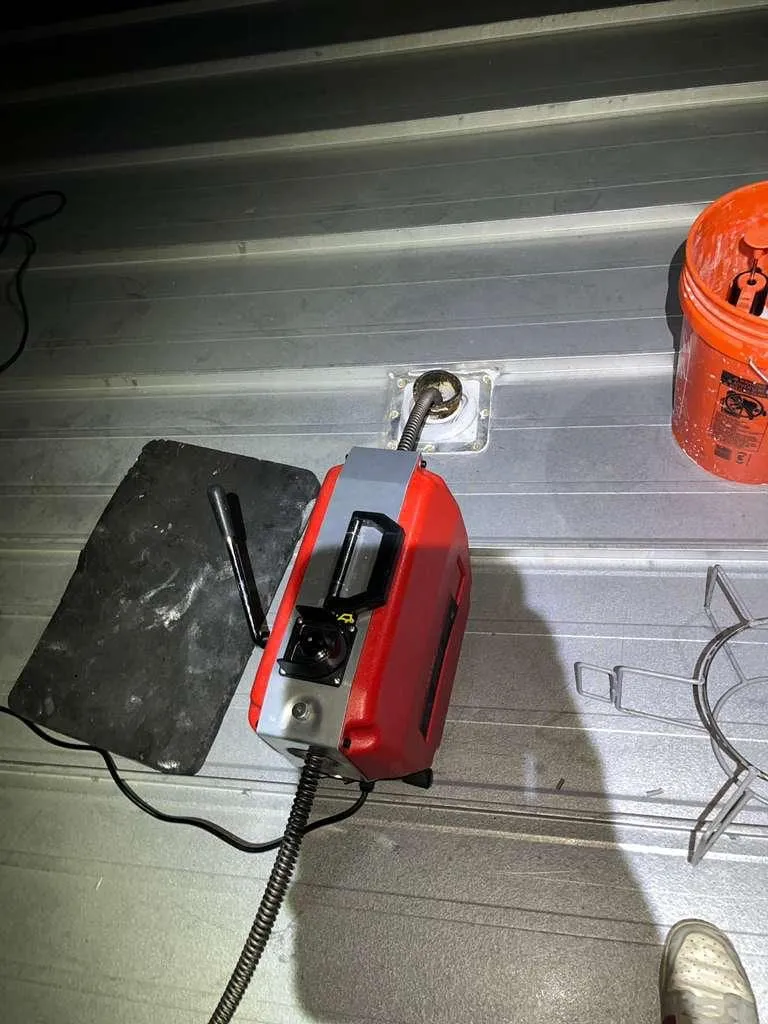
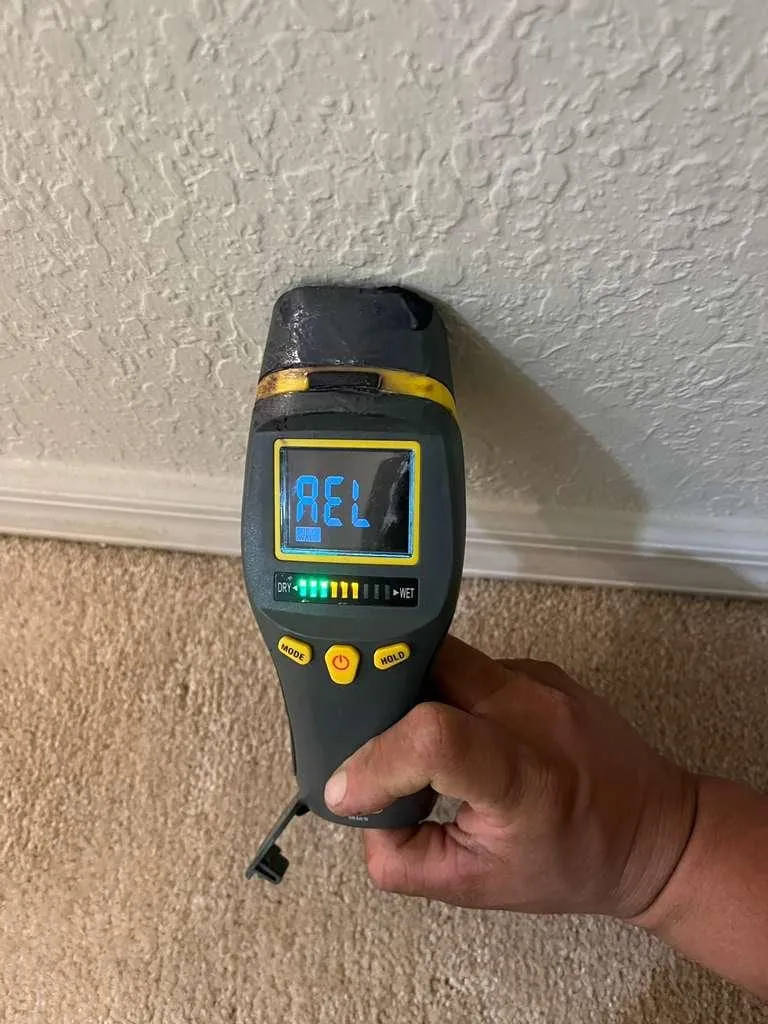
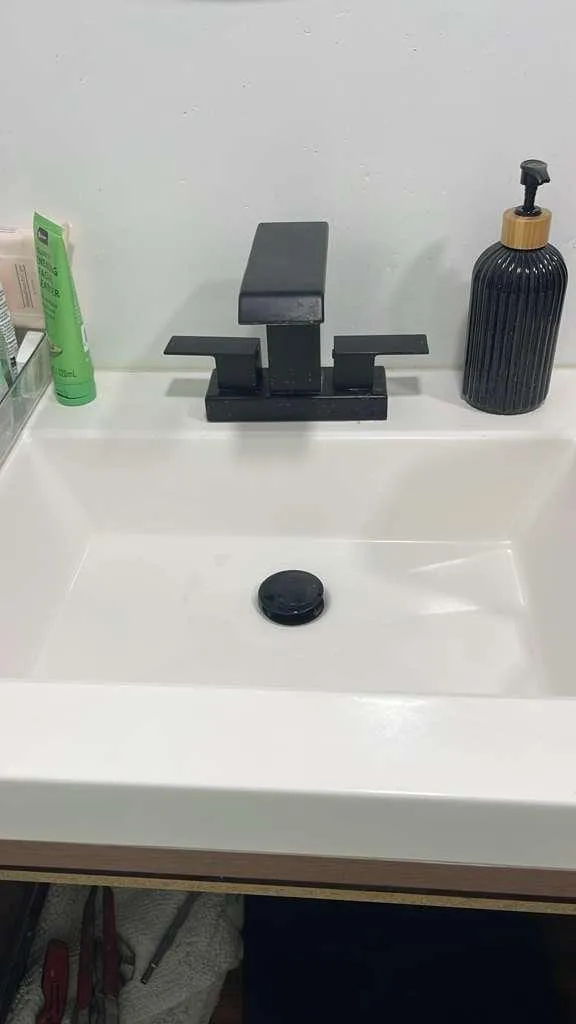
Taken by the crew on the day of the job, not pulled from stock.
Reviews
Pulled straight from the Google Business Profile, with each reviewer’s public name attached.
A selection of our 5-star reviews on Google.
See all reviews on GoogleId be completely comfortable having them back for future plumbing work. Everything about this visit was straightforward and well handled.
He even explained which work wasn't worth spending money on yet. That's the kind of honesty that makes me want to call someone again.
Nothing about the job looked rushed. From the repair itself to the final testing, everything was handled carefully and professionally.
Questions
Finding it, yes. Every method here reads through the slab without disturbing it. Fixing it still means opening the floor, just at one small, correctly chosen spot.
Accurate enough to justify a single opening rather than several. On a long run buried under tile or furniture, expect an area rather than an exact pinpoint, and you’ll be told which you’re getting.
Not sudden, but constant. It won’t put water across the floor in an hour, yet it never stops running either, and a season is too long to leave it.
Often, and it’s worth ruling out before any floor gets opened. Both run as their own pressurized systems, checked with the same equipment.
Often, in the same visit, when the fix is simple. When a whole section of line has given out rather than one spot, replacing that run is the honest call.
What comes next
The repairs a detection visit most often turns into.
Live dispatch · 24 / 7 / 365
Someone answers any time of day or night, and the leak gets pinpointed before a single tile comes up.
No obligation. Work performed under Florida plumbing contractor license CFC1433655.